
 العربية
 Español
 中文
中文 Deutsch
 Français
 Português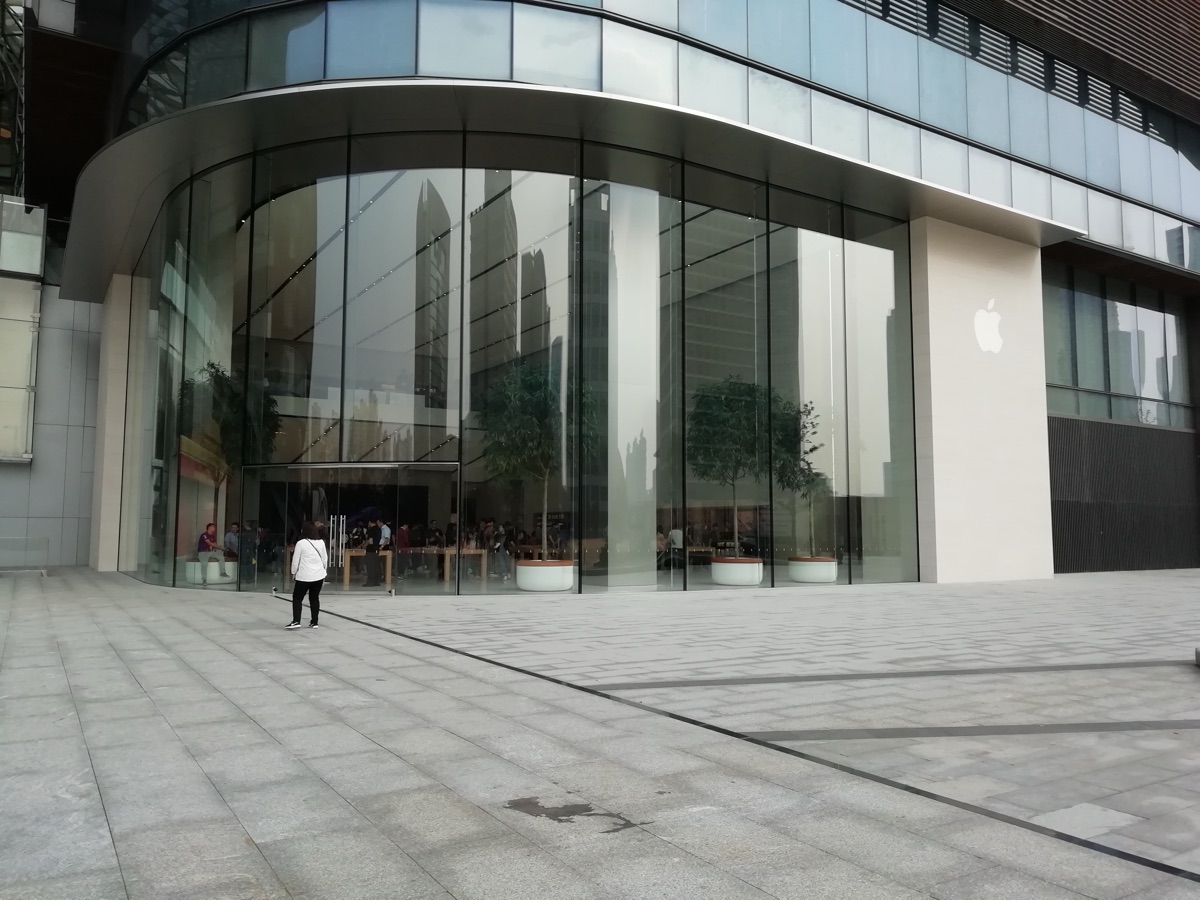
The most popular phone in China has been missing its headline feature. That changes now. On Wednesday, July 15, 2026, the Cyberspace Administration of China (CAC) published a notice clearing Apple Intelligence for iPhone - the regulatory green light Apple has been working toward since its AI platform debuted in 2024. The China version will run on Alibaba's Qwen model, with Baidu contributing alongside it.
It is a genuine milestone: the last major market where Apple's flagship software layer simply was not available is now open. Here is exactly what was approved, how the China build differs from the one you already use, and what is still unconfirmed.
- Date: Wednesday, July 15, 2026
- Regulator: Cyberspace Administration of China (CAC)
- Scope: the published licence covers iPhone
- Primary model: Alibaba's Qwen - text and image understanding and generation
- Secondary partner: Baidu, on a smaller scale, reported to power search features
- Batch: one of seven smartphone AI services approved - and one of only two non-Chinese ones
- Launch date: not announced
1. What the Regulator Actually Approved
The CAC published its notice on July 15, listing Apple Intelligence among a new batch of approved generative AI services for smartphones. Seven services made the batch in total: alongside Apple, the list included offerings from Huawei, Oppo, Vivo, Xiaomi, ZTE and Samsung. Apple Intelligence and Samsung's Galaxy AI were the only two non-Chinese services on it.
One detail matters for expectations: according to the official notice, the licence applies specifically to iPhone. The notice did not clarify whether other Apple products sold in China - iPads and Macs - are covered. Alibaba's own description of the deal is broader, which is the tension worth watching (more on that below).
2. A Different Engine Under the Hood
The China build of Apple Intelligence is not simply the US version switched on. The underlying models are local.
| Role | US / global version | China version |
|---|---|---|
| Core generative model | Apple's own models | Alibaba Qwen |
| Search-related features | Google Gemini / OpenAI | Baidu (reported) |
Alibaba confirmed the partnership publicly, saying its Qwen model would be “integrated into Apple Intelligence experiences within iOS, iPadOS, macOS and visionOS for users in China,” covering capabilities such as text and image understanding and generation. Note the gap: Alibaba describes four operating systems, while the CAC notice itself is scoped to iPhone. The likeliest reading is that the partnership is broad while the first licence is narrow - but Apple has not commented on the sequencing, so treat the wider rollout as expected rather than confirmed.
Alibaba's US-listed shares responded immediately, rising roughly 4% in pre-market trading and gaining more than 6% as the news spread.
3. Why This Took Nearly Two Years
Apple Intelligence launched in 2024. China's rules require generative AI services to be registered with the regulator before public deployment, and a foreign service needs a domestic model partner to get there. Apple worked through several candidates before landing on Alibaba:
- Baidu was an early partner, but the work reportedly ran into adaptation issues in tuning the experience for Chinese users. Baidu remains involved - just in a smaller role.
- DeepSeek and ByteDance models were also explored.
- Alibaba emerged as the primary partner, with reports of the arrangement surfacing through 2025 before the filing this summer.
In the meantime, Chinese rivals shipped their own AI assistants on their own phones, unblocked. That is the competitive gap this approval closes.
4. The Market Context: Apple Is Already Surging in China
The approval arrives on top of real momentum rather than as a rescue. In Apple's fiscal second quarter (the three months ended March 2026, reported April 30):
- Revenue: $20.5 billion, up 28% from $16 billion a year earlier
- Apple's strongest performance in the region in nearly four years
- Drivers: record iPhone sales, strong iPhone 17 demand, heavy store traffic, and eligibility for China's consumer-electronics subsidy program
Company-wide, Apple posted $111.2 billion in revenue that quarter, up 17% year over year. So the AI layer is not arriving to fix a slump - it is arriving to add to a run.
5. What Users Get
Apple Intelligence covers the features that have rolled out elsewhere: writing tools, AI image generation, photo cleanup, visual intelligence, and real-time translation - now with a local model behind the generative work.
What We Still Don't Know
- The launch date. Apple has not announced one. Clearance typically precedes a rollout by only a few months, which would put a China debut roughly in line with Apple's usual fall software release cycle - but that is an inference, not a schedule.
- Whether iPad, Mac and Vision Pro follow. Alibaba's statement names four operating systems; the licence as published is scoped to iPhone.
- The exact requirements. Reports point to iOS 26.4 or later, an iPhone 15 Pro or newer, and a China-region Apple ID. Apple has not confirmed these.
- How the split feels in practice - how seamlessly Qwen-powered generation and Baidu-powered search blend into the same Apple Intelligence experience users know elsewhere.
Sources
- Bloomberg: Apple Gets Approval for iPhone AI in China With Alibaba, Baidu
- TechCrunch: Apple Intelligence approved for launch in China with Alibaba's Qwen AI
- South China Morning Post: China approves Apple Intelligence for iPhones, with Alibaba, Baidu emerging as partners
- MacRumors: Apple Intelligence Finally Cleared to Launch in China · Engadget: Apple Intelligence finally gets regulatory approval in China
- 9to5Mac: Apple reaches agreement with Chinese government on Apple Intelligence rollout
- CNBC: Apple Q2 2026 earnings report (Greater China revenue)
Photo: Apple Store Suzhou by Shwangtianyuan, via Wikimedia Commons, licensed under CC BY-SA 4.0.
Curated by Jerry Cards - jerrycards.com. We research the week's most consequential tech, science, and business news so you don't have to. More at jerrycards.com/news.