
 العربية
 Español
 中文
中文 Deutsch
 Français
 Português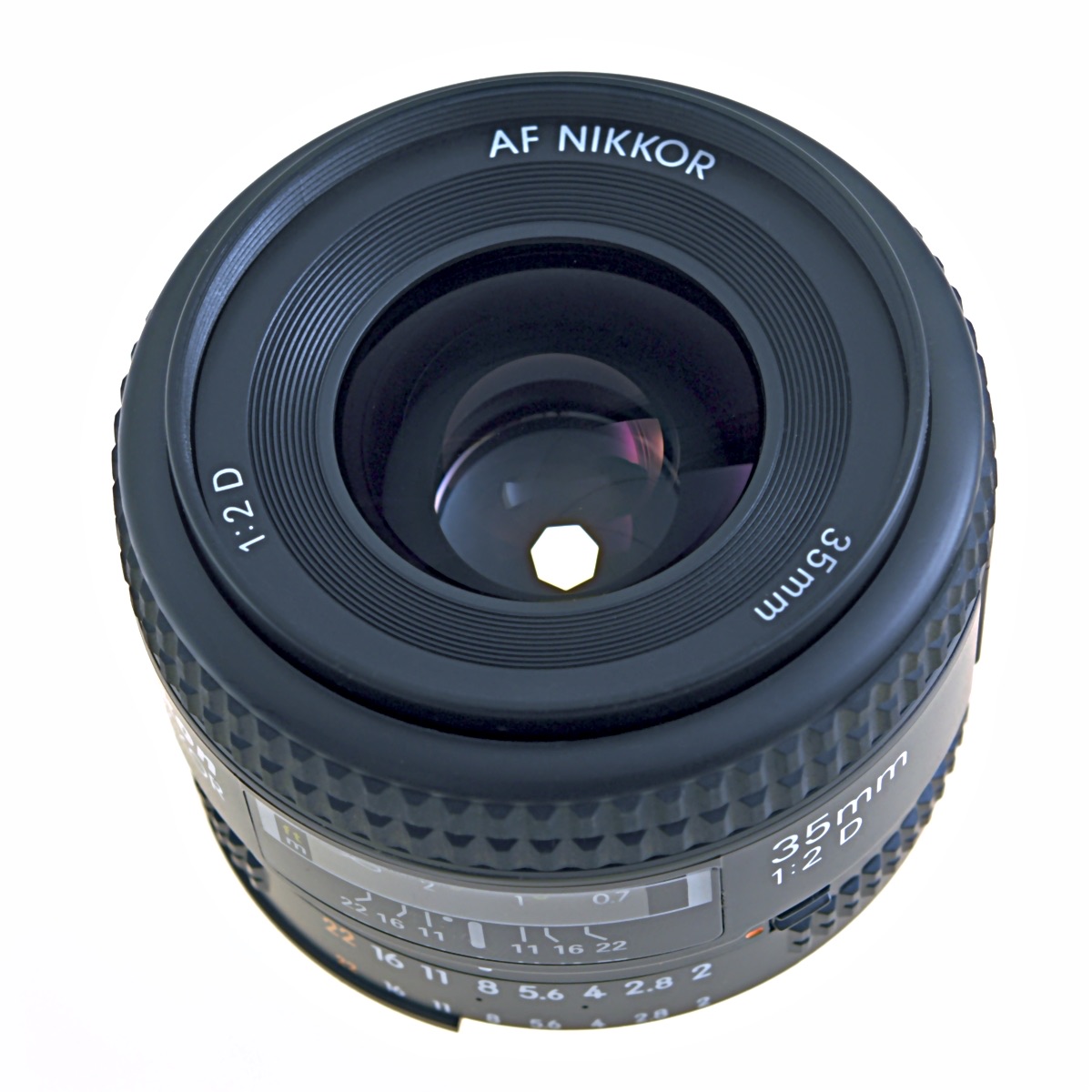
For almost a decade, the iPhone has performed a small miracle every time you press the shutter: a beautiful photo, from a lens that never physically changes. Every iPhone Pro from the iPhone 14 Pro to the iPhone 17 Pro captures light through the same fixed opening – ƒ/1.78 – and leans on computational photography to do the rest. According to the most reliable voices in Apple supply-chain reporting, that is about to change in a fundamental way. The iPhone 18 Pro is expected to gain a variable aperture: a tiny mechanical iris that physically opens and closes, exactly like the lens on a professional camera.
It is one of those upgrades that sounds like a footnote and is actually a genuine shift in how the phone sees the world. Here is what a variable aperture really is, why photographers have wanted it on a phone for years, which phones got there first – and how much of this to treat as real.
- What: a variable aperture main (rear) camera on both iPhone 18 Pro models
- Who reported it: analyst Ming-Chi Kuo, who first reported it in December 2024; Bloomberg’s Mark Gurman calls it one of the most significant iPhone camera upgrades in years
- Replaces: the fixed ƒ/1.78 opening used on every iPhone Pro from the 14 Pro through the 17 Pro
- Status of the hardware: reportedly already in production – supplier Sunny Optical building the actuators, LG Innotek tooling up for the modules
- Expected launch: September 2026, alongside Apple’s first foldable iPhone
- Status: analyst and supply-chain reporting – expected, not confirmed by Apple
1. What a Variable Aperture Actually Is
Inside almost every “real” camera lens sits an iris diaphragm – a ring of overlapping blades that slide together or apart to change the size of the hole light passes through. Make the hole bigger (a lower f-number, like ƒ/1.4) and more light floods in with a shallow, dreamy focus. Make it smaller (a higher f-number, like ƒ/8) and less light enters, but far more of the scene stays sharp. That opening is the aperture, and being able to change it is one of the most basic creative controls in photography.
Phones have almost never had it. The camera in your pocket is astonishingly small, and there is barely room for the miniature motors and blades a moving aperture needs. So smartphone makers, Apple included, chose a single fixed opening and used software to simulate the rest – most visibly in Portrait mode, which calculates a blurred background rather than creating one optically. A variable aperture on the iPhone 18 Pro would mean the lens itself finally does the job.
A wide aperture (low f-number) = more light + background blur. A narrow aperture (high f-number) = less light + everything in focus. A variable aperture lets one camera do both, on demand – instead of being permanently stuck at a single setting.
2. Why It Actually Improves Your Photos
This is not a spec-sheet flourish. Moving from a fixed ƒ/1.78 to an adjustable iris changes what the camera can genuinely do:
- Real depth-of-field control. Open it wide to melt a background behind a portrait, or stop it down to keep a landscape sharp front to back – done in the optics, not guessed at by an algorithm tracing the edges of someone’s hair.
- Optical bokeh instead of fakery. The soft, creamy background blur photographers love comes from the lens itself, avoiding the tell-tale artifacts where computational Portrait mode blurs the wrong pixels.
- Better bright-light shooting. A smaller opening lets less light in, which helps tame harsh midday sun, reduce overexposure, and open up options for long-exposure effects like silky water.
- Sharper images. Lenses are rarely at their sharpest wide open; being able to stop down a little often yields crisper detail with fewer optical compromises.
- Sunstars and creative control. Narrow the blades and bright points of light – streetlights, the sun through leaves – can render as dramatic starbursts, an effect a fixed phone lens simply cannot make.
3. Not the First Phone – But Maybe the Biggest
Apple would not be inventing the idea so much as bringing it to the mainstream. A handful of Android flagships have already shipped moving apertures, and they are the proof this can work at phone scale.
| Phone | Year | Aperture approach |
|---|---|---|
| Samsung Galaxy S9 / S10 | 2018–2019 | Dual aperture: switched between ƒ/1.5 and ƒ/2.4 |
| Huawei Mate 50 Pro / P60 Pro | 2022–2023 | Continuously variable ten-blade iris (about ƒ/1.4–ƒ/4.0) |
| iPhone 18 Pro | 2026 (expected) | Variable aperture main camera (reported) |
Samsung’s “Dual Aperture” flipped between just two settings; Huawei’s system moved smoothly across a range. What makes an iPhone version significant is scale and polish: Apple ships its Pro phones by the tens of millions and tends to wrap new hardware in software that makes it effortless to use. If the iPhone 18 Pro lands this well, a feature that has been a niche curiosity could become something ordinary people actually reach for.
4. This One Is Already Being Built
What separates this rumor from idle wish-listing is the supply chain. Reporting indicates the components are already in motion:
- Sunny Optical reportedly began producing the actuators – the tiny motors that drive the aperture blades.
- LG Innotek was said to be tooling up to build the camera modules, with Cowell also involved in assembly.
- Kuo estimates the new variable-aperture camera unit costs Apple roughly 50% more to make than the module in current models – a sign of how substantial the hardware change is.
A moving mechanical part is a real engineering commitment in a device this thin, and the fact that named suppliers are reportedly producing the pieces is what gives this rumor its weight.
5. When, and What Else Is Coming
The iPhone 18 Pro and iPhone 18 Pro Max are expected to be announced in September 2026, reportedly alongside Apple’s first foldable iPhone. The Pro models are also tipped to run a new A20 Pro chip built on TSMC’s cutting-edge 2-nanometer process, with a fresh “Dark Cherry” deep-red color among the rumored finishes. But it is the camera that stands out: after years of computational tricks squeezing more from a fixed lens, the headline upgrade this time would be a change to the optics themselves.
How Solid Is This?
- It is reporting, not an announcement. Everything here comes from analysts and supply-chain sources, not Apple, which never comments on unreleased products.
- The sourcing is strong. Ming-Chi Kuo and Mark Gurman have two of the best track records in the business, and they agree on the broad strokes – which is why this is taken seriously.
- Specifics can move. Exact f-stop range, which models get it, and timing are the details most likely to shift before launch. Treat them as expected, not confirmed.
- The direction is the story. A physical, adjustable aperture on the iPhone would be the most meaningful change to how the phone captures light in years – and the hardware to deliver it is reportedly already being made.
The Bottom Line
If the reporting holds, the iPhone 18 Pro will give photographers something the iPhone has never had: a lens that physically opens and closes, bringing real optical control over light and depth of field to a phone that already takes some of the best pictures in the world. It is the kind of upgrade that does not just add a number to a spec sheet – it changes what the camera can do in your hands. Nothing is official until Apple says so this fall, but this is one of the most exciting things on the iPhone’s horizon.
Sources
- MacRumors: iPhone 18 Pro Variable Aperture Camera Enters Production · iPhone 18 Pro’s Camera Upgrade Will Cost Apple 50% More · iPhone 18 Pro rumor roundup
- 9to5Mac: iPhone 18 Pro to have some of Apple’s biggest camera upgrades ever
- AppleInsider: How the iPhone 18 Pro’s rumored variable aperture will supercharge your photography
- Reporting attributed to analyst Ming-Chi Kuo (first report December 2024) and Bloomberg’s Mark Gurman.
Image: top-down view of a Nikkor 35mm ƒ/2 lens aperture (iris diaphragm) by MarkSweep, via Wikimedia Commons – released into the public domain. Illustrative of a variable-aperture mechanism; not an image of an iPhone.
Curated by Jerry Cards - jerrycards.com. We read the week’s most consequential tech and science news so you don’t have to. More at jerrycards.com/news.