
 العربية
 Español
 中文
中文 Deutsch
 Français
 Português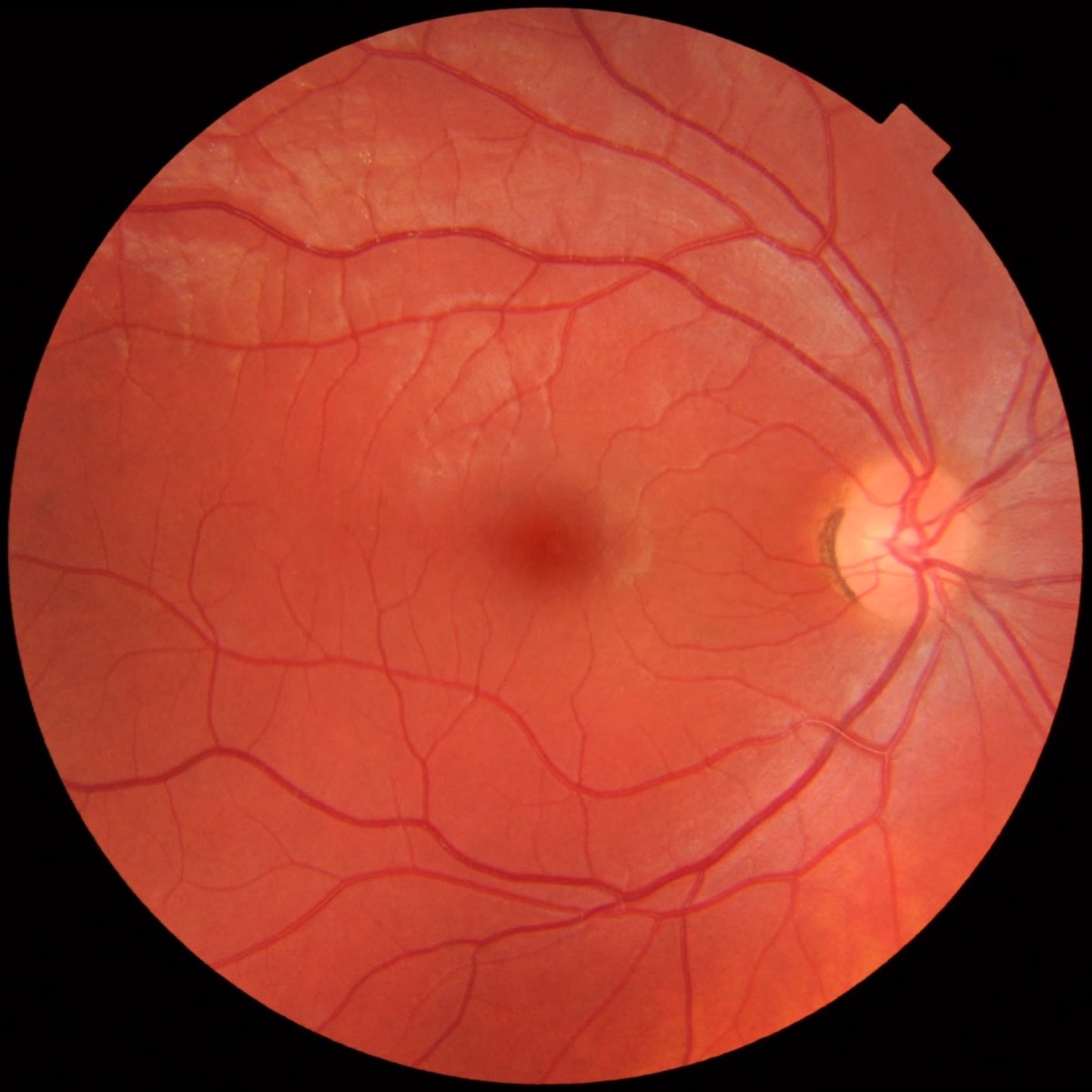
For the first time, a therapy designed to make aging cells young again has reached a human being. On June 9, 2026, the Boston biotech Life Biosciences announced that it had dosed the first patient in a Phase 1 trial of an experimental gene therapy called ER-100 - a treatment built on one of the most audacious ideas in modern biology: that part of aging is not permanent wear-and-tear, but lost information that can be reset. Nature and Scientific American both described it as the world’s first clinical trial of partial cellular reprogramming in a person. And fittingly, it begins with one of our most precious senses - sight.
Here is what actually happened, the elegant idea behind it, why the eye is the perfect place to start, and what this trial can - and cannot - yet tell us.
- What: First human dose of ER-100, a partial cellular-reprogramming gene therapy
- Who: Life Biosciences (Boston); co-founded by Harvard geneticist David Sinclair
- When: First patient dosed June 9, 2026; trial initiated Q1 2026
- How: A one-time eye gene therapy (AAV vector) that switches on three Yamanaka factors - OCT4, SOX2, KLF4 (OSK)
- First targets: open-angle glaucoma and NAION - a sudden vision loss with no approved treatment today
- Stage: Phase 1 - primarily testing safety and tolerability, plus measures of visual function
1. The Big Idea: Aging as Lost Information
Most medicine treats the consequences of aging - the failing joint, the clouded lens, the damaged nerve. ER-100 comes from a different premise, sometimes called the information theory of aging: that cells grow old in part because they lose track of which genes to switch on and off. The DNA sequence stays intact, but the epigenetic marks that tell each cell how to behave drift and degrade over time - like a perfectly good piece of music played from a smudged, error-riddled score.
The hopeful corollary is that if the information is still recoverable, it can be restored. That is what reprogramming aims to do: not repair damage one piece at a time, but reset the cell’s software back toward a younger configuration.
In 2012, Shinya Yamanaka won the Nobel Prize for showing that four genes (OCT4, SOX2, KLF4 and c-Myc) can turn an ordinary adult cell all the way back into a stem cell. Full reprogramming is too much - a cell that forgets it is a neuron is no use, and unchecked it raises cancer risk. Partial reprogramming applies the same factors briefly and in a controlled way, nudging a cell back toward a more youthful state without erasing its identity. ER-100 also deliberately omits the fourth factor, c-Myc, which is the most associated with cancer.
2. How ER-100 Works
ER-100 is the first clinical candidate from Life Biosciences’ Epigenetic Restoration platform. It is an AAV2-based gene therapy - the same well-established class of vector already used in approved eye gene therapies - delivered to the eye in a single administration. Once inside the target retinal cells, it enables the controlled expression of the three OSK factors, which work to reset age-associated epigenetic patterns and restore the cell’s function toward a more youthful state.
The goal in these first patients is to help preserve and potentially restore the function of retinal ganglion cells - the long-lived neurons that carry visual signals from the eye to the brain along the optic nerve. When those cells falter, vision fades; the bet is that resetting their epigenetic state can keep them working.
3. Why Start With the Eye?
Choosing the eye as the first proving ground is not a coincidence - it is one of the smartest test beds in all of medicine.
| Advantage | Why it matters |
|---|---|
| Accessible | The retina can be reached with a targeted injection - no need to dose the whole body |
| Contained | Keeping the therapy local to one eye limits systemic exposure - a built-in safety margin |
| Measurable | Vision can be tested precisely and objectively, so benefit (or its absence) is clear |
| Proven delivery | AAV gene therapy to the eye is already an approved, validated approach |
It also addresses real unmet need. The first targets are open-angle glaucoma - a leading cause of irreversible blindness worldwide - and NAION (non-arteritic anterior ischemic optic neuropathy), a sudden, usually painless loss of vision caused by reduced blood flow to the optic nerve. NAION is among the most common causes of acute optic-nerve damage in adults over 50, and crucially, there is no approved, proven treatment for it today. In that context, even a safe therapy with a modest benefit would be a meaningful first.
4. A Decade of Groundwork
This trial did not appear overnight. It rests on a landmark 2020 study from David Sinclair’s lab at Harvard Medical School, published in Nature.
| When | Milestone |
|---|---|
| 2020 | Harvard team shows OSK delivered to the retina restores youthful gene-activity patterns, regrows optic-nerve fibers, and reverses vision loss in aged mice and a glaucoma model (Nature) |
| 2020-2025 | Safety and efficacy work advances in rodents and non-human primates - no serious adverse effects reported |
| Q1 2026 | Phase 1 human trial of ER-100 initiated |
| Jun 9, 2026 | First patient dosed - the first human ever to receive a partial-reprogramming therapy |
In the 2020 work, the rejuvenating effect depended on the cell’s own TET enzymes actively rewriting DNA methylation - molecular evidence that the cells were genuinely resetting their epigenetic age, not merely surviving. That mechanistic clarity is part of why the approach earned its way into the clinic.
5. What This Trial Will (and Will Not) Tell Us
It is worth being clear-eyed about where we are, because that is what makes the milestone trustworthy. This is a Phase 1 trial: its primary purpose is to evaluate safety and tolerability in people, with additional measures assessing visual function. The encouraging animal safety data and the local, eye-only delivery are reasons for optimism, but human efficacy still has to be demonstrated, and that takes time and larger studies.
What is not in doubt is the significance of the step itself. A concept that lived for years in petri dishes and mouse models - the idea that we might reset the biological clock inside our own cells - has now, carefully and deliberately, reached a human being.
In their words. “This is an important moment for Life Bio and for the field of aging biology,” said David Sinclair, the company’s co-founder and a professor of genetics at Harvard Medical School. Chief Scientific Officer Sharon Rosenzweig-Lipson added that advancing ER-100 into the clinic is “an important step toward translating epigenetic restoration into a new class of medicines for age-related diseases.”
The Takeaway
For decades, “reversing aging” sat firmly in the realm of science fiction. What changed on June 9 is modest in size and enormous in meaning: a single patient, a single eye, a single careful dose - and with it, the first real-world test of whether the clock inside our cells can be turned back. Whatever the trial ultimately shows, the door it opens is the kind of progress worth celebrating: patient, evidence-led, and aimed squarely at helping people see.
Sources
- Life Biosciences: First Patient Dosed in Phase 1 Trial of ER-100 for Optic Neuropathies (June 9, 2026)
- Scientific American: World-first - therapy to make cells young again given to a person · Nature News: World-first therapy to make cells young again trialled in a person
- Lu, Y. et al. Reprogramming to recover youthful epigenetic information and restore vision, Nature (2020)
- North American Neuro-Ophthalmology Society: NAION patient information (no proven treatment) · Life Biosciences: Epigenetic Restoration platform
Curated by Jerry Cards - jerrycards.com. We research the week’s most consequential tech, science, and health news so you don’t have to. More at jerrycards.com/news.