
 العربية
 Español
 中文
中文 Deutsch
 Français
 Português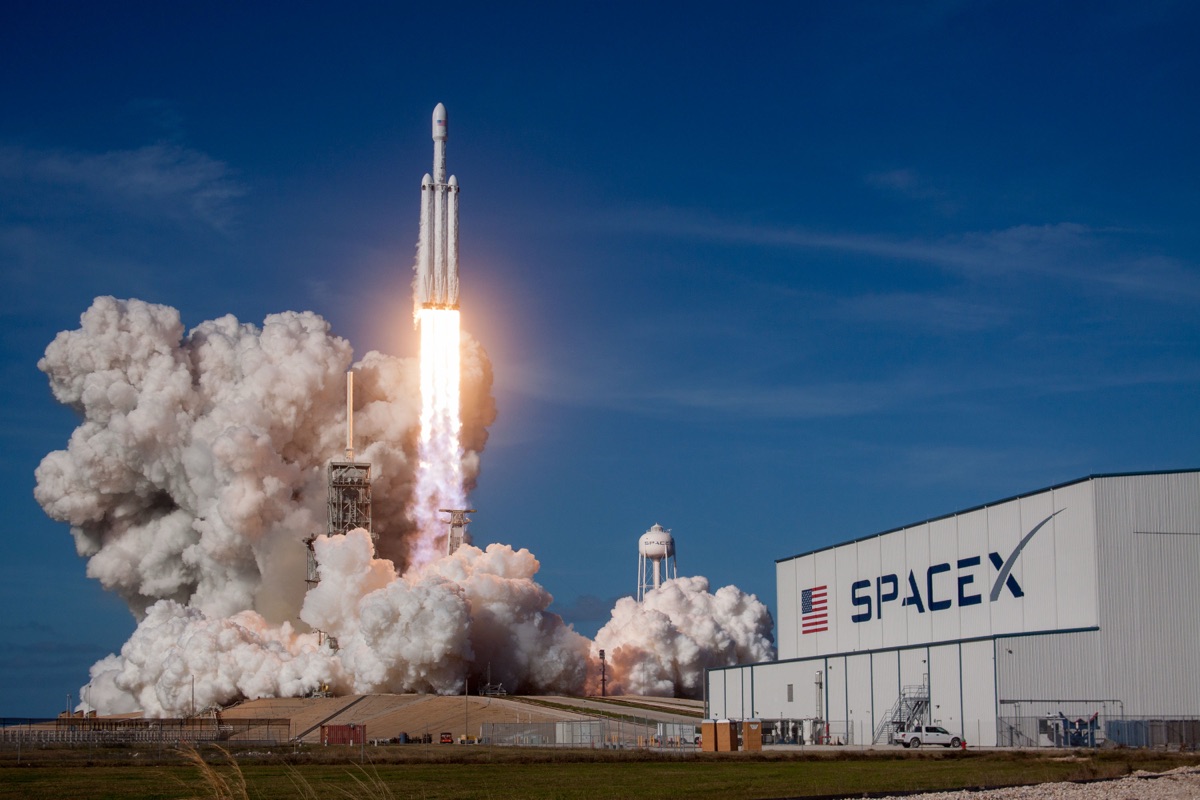
For one day on Friday, a rocket company was worth more than every bank in America combined. SpaceX made its stock-market debut on June 12, 2026, in the largest initial public offering the world has ever seen - raising roughly $75 billion, vaulting to a market value above $2 trillion, and pushing Elon Musk's net worth past $1 trillion, making him the first person ever to reach that mark, at least on paper. It was a genuine milestone in financial history. It was also, depending on whom you ask, either the arrival of the most important infrastructure company of the decade or the loudest bell yet for an AI-and-space bubble.
Here is exactly what happened, what the money is for, and why some of the sharpest analysts on Wall Street think the price is roughly double what the business is worth.
- Date / exchange: Friday, June 12, 2026, on Nasdaq under ticker SPCX
- Offering: 555,555,555 Class A shares at $135 = ~$75 billion raised
- Record: the largest IPO in history - more than 2.5x the prior record (Saudi Aramco, 2019)
- Pricing valuation: $1.77 trillion
- Day one: opened $150, peaked at $176.52 (+31%), closed +19% at $160.95 - a ~$2.1 trillion market cap
- Elon Musk: net worth crossed $1 trillion - the world's first trillionaire, on paper
- The catch: unprofitable (~$8.7B in losses), priced near 100x sales; Morningstar fair value is 53% below the IPO price
1. The Numbers
SpaceX sold 555,555,555 Class A shares at $135 apiece, generating gross proceeds of just under $75 billion (precisely $74,999,999,925). Underwriters - led by Goldman Sachs, alongside Morgan Stanley, Bank of America, Citi, and JPMorgan - hold an over-allotment option on a further 83.3 million shares, which if fully exercised would push the total raised to roughly $86 billion. The offering priced the company at a $1.77 trillion valuation.
One detail stood out in the order book: retail investors took more than 20% of the shares, against a more typical 5-10% for a deal this size - a sign of how much the listing was driven by individual enthusiasm for Musk and the SpaceX story rather than purely institutional demand.
2. Yes, It Really Is the Largest IPO Ever
The superlative checks out. SpaceX's raise more than doubles the previous record holder.
| Company | Year | Amount raised |
|---|---|---|
| SpaceX | 2026 | ~$75B (up to ~$86B with greenshoe) |
| Saudi Aramco | 2019 | $25.6B ($29.4B with greenshoe) |
| Alibaba | 2014 | ~$25B |
Even measured against Aramco's full post-greenshoe haul of $29.4 billion, SpaceX raised more than 2.5 times as much capital in a single offering.
3. A Wild First Day of Trading
| Moment | Price | vs $135 IPO |
|---|---|---|
| IPO price | $135.00 | - |
| Open | $150.00 | +11% |
| Intraday high | $176.52 | +31% |
| Close | $160.95 | +19% |
At the closing price, SpaceX was worth about $2.1 trillion; at the intraday peak it briefly cleared a $2.2 trillion valuation. For context, that puts the company in the same conversation as the largest businesses on the planet - on its first day, having never turned an annual profit.
4. The First Trillionaire - With an Asterisk
The headline that traveled fastest: Elon Musk became the world's first trillionaire. Multiple outlets, working from the IPO filing, put his net worth in the range of $1.05-1.1 trillion after the debut. The bulk of that is his SpaceX position - roughly a 42% stake (~4.8 billion shares) carrying about 82% of the voting power - worth somewhere between $770 billion and $870 billion depending on the share price you use, on top of his Tesla holdings.
This is mark-to-market wealth: the value of shares Musk has not sold and largely cannot sell quickly without moving the price. It is real in the sense that it is what the market says his stake is worth today, and fragile in the sense that it rises and falls with every tick of SPCX. A trillion-dollar net worth built on a stock trading at ~100x sales is, by definition, a bet on the future - not a bank balance.
5. Where $75 Billion Goes: Rockets, Starlink, and Data Centers in Space
SpaceX has framed the use of proceeds around three pillars: AI compute infrastructure - including data centers both on Earth and, strikingly, in orbit - completing Starship, and expanding the Starlink constellation, plus general corporate purposes. (The formal prospectus uses broad "corporate purposes" language; the specific Mars-and-orbital-data-center vision comes from Musk and the roadshow.)
The orbital-data-center pitch is the one that reframes the whole company. SpaceX's argument is that solar-powered compute in space - cooled by the vacuum, powered by uninterrupted sunlight, and lofted cheaply by Starship - could become a meaningful piece of the AI infrastructure build-out. It is the thread that lets investors value SpaceX not as a launch provider but as an AI-and-connectivity platform. Whether that vision justifies the price is the entire debate.
The business underneath is real and growing: SpaceX reported $18.67 billion in 2025 revenue, of which Starlink was about $11.39 billion (61%). The company has already spent more than $15 billion developing Starship.
6. The Bear Case Is Loud
For all the records, a chorus of analysts argued the deal was priced for perfection or worse.
- It loses money. SpaceX booked roughly $8.7 billion in losses across 2025 and Q1 2026. The valuation works out to somewhere between 92x and 107x trailing sales - extraordinary for a capital-intensive, unprofitable company.
- Morningstar says it is worth half. The research firm pegged fair value at $63 a share - a 53% discount to the $135 IPO price - and called the listing overvalued outright.
- Blunt language from the desk. Prof G Markets' Ed Elson called the prospectus a "trainwreck" that was "unserious, empty, hallucinatory, and borderline dishonest," noting the valuation would make SpaceX "twice as valuable as Walmart while generating less revenue than Macy's."
- The profitability gap. Veteran IPO scholar Jay Ritter of the University of Florida put it plainly: "There's a long way to go to catch up with the profitability" of the mega-cap tech companies SpaceX is now valued alongside.
The counterargument, in fairness, is the one every SpaceX skeptic has lost money on for a decade: the company has repeatedly done things - reusable orbital rockets, a global satellite-internet network - that the market said were uneconomic or impossible, and it dominates global launch. Buyers are paying for the next decade of that, not last year's income statement.
7. The Bigger Picture: The 2026 Mega-IPO Wave
SpaceX may be the curtain-raiser rather than the finale. The pipeline of giant private companies heading for public markets is unusually crowded, and it is led by the AI labs:
- Anthropic confidentially filed a draft S-1 with the SEC on June 1, 2026 - the maker of Claude, moving first among the frontier labs.
- OpenAI is reported to have filed confidentially in late May, eyeing a fall 2026 debut at a valuation above $1 trillion (its filing details are less firm than Anthropic's confirmed one).
After years of staying private, the most valuable startups of the era are reaching for public capital at once - and SpaceX just showed them how hungry the market is, and how loudly the skeptics will push back.
What We Still Don't Know
- Whether the greenshoe gets exercised - which would lift the raise from ~$75B toward ~$86B over the next 30 days.
- How the stock holds up once the first-day enthusiasm fades and lock-ups and real earnings scrutiny arrive.
- Whether the orbital-data-center thesis is real or a narrative - the technical and economic case for compute in space is still unproven at scale.
- Musk's exact net worth - estimates span ~$1.05-1.1T and move with the share price every day; treat any single figure as a snapshot.
Sources
- CNBC: SpaceX raises $75 billion in record-setting IPO · Musk becomes a trillionaire
- CBS News: SPCX day-one trading · Motley Fool: closing price · NPR: SpaceX, AI and the IPO
- Morningstar: why we think the SpaceX IPO is overvalued ($63 fair value) · Yahoo Finance: analysts shred the prospectus
- Scientific American: Starship and orbital AI data centers · Visual Capitalist: the biggest IPOs in history
- CNBC: Anthropic confidentially files for IPO · SEC Form 424B4 (SpaceX prospectus)
Curated by Jerry Cards - jerrycards.com. We research the week's most consequential tech, science, and business news so you don't have to. More at jerrycards.com/news.