News & Insights
Tech, AI, science & Apple news curated by Jerry Cards. Unlocking US digital content worldwide since 2009.
Apr 14, 2026, 8:40 AM ETScience
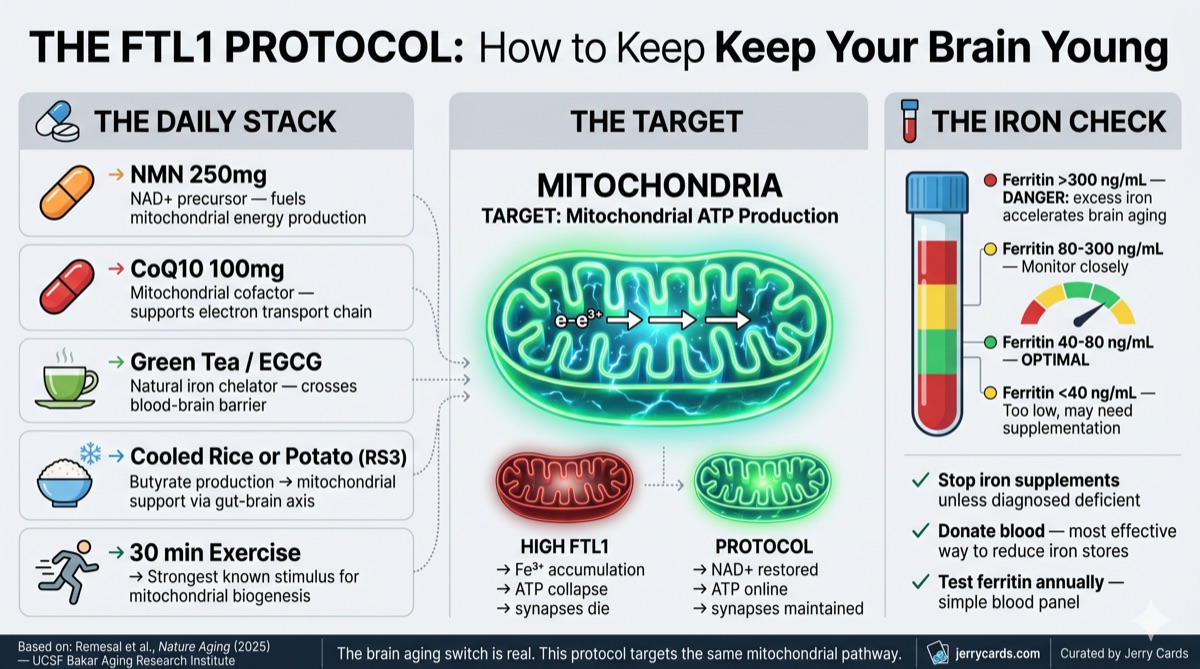
Yesterday we covered the science: FTL1 protein drives brain aging. Today: the actionable protocol. NMN for NAD+ support, iron management, mitochondrial boosters, and how resistant starch connects to the same pathway.
Read more →
Apr 14, 2026, 8:09 AM ETTech
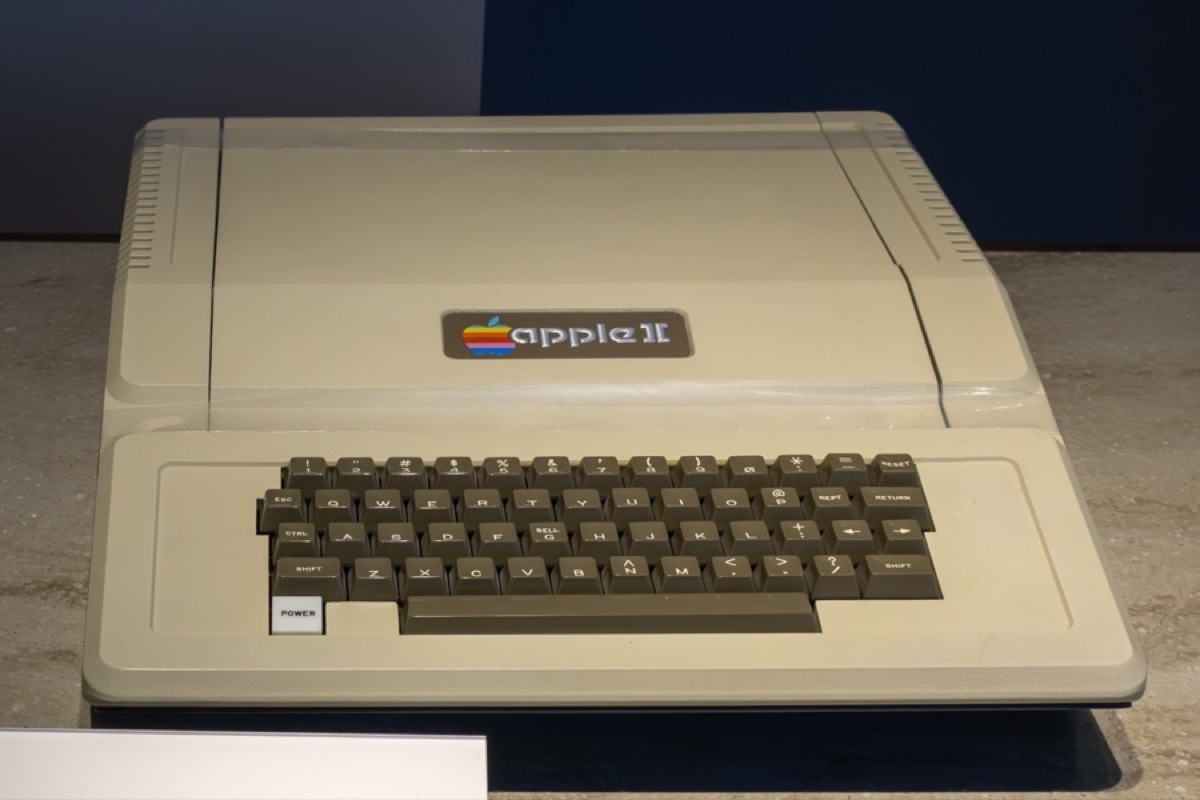
The Apple II transformed Apple from a garage project into a billion-dollar company. Mike Markkula's $250K investment, the West Coast Computer Faire debut, VisiCalc turning the Apple II into a business tool, and the first cracks in the Jobs-Wozniak partnership.
Read more →
Apr 13, 2026, 11:24 AM ETScience
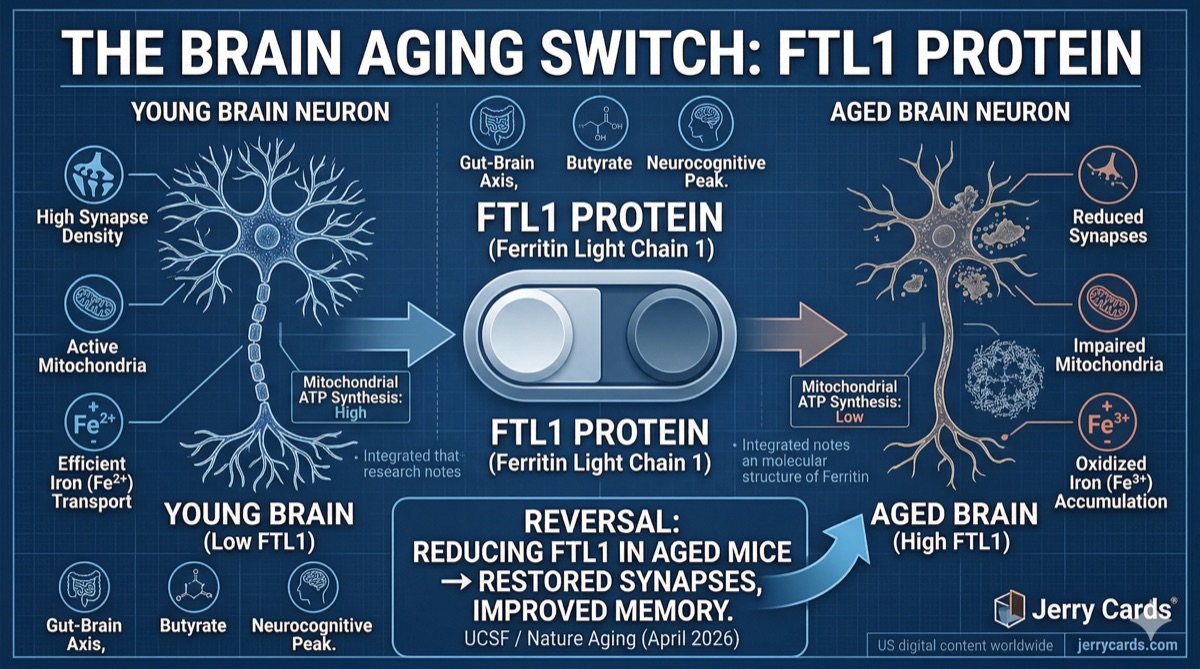
UCSF researchers identified FTL1 (ferritin light chain 1) as the single protein most consistently elevated in aging brains. Boosting it in young mice made their brains old. Reducing it in old mice restored synapses and reversed memory loss. Published in Nature Aging.
Read more →
Apr 13, 2026, 10:11 AM ETTech

On April 1, 1976, three very different people signed a 3-page contract and created Apple Computer Co. One sold his stake 12 days later for $800. Today it would be worth $300 billion. Here is the real story of how it all began.
Read more →
Apr 13, 2026, 9:25 AM ETAI
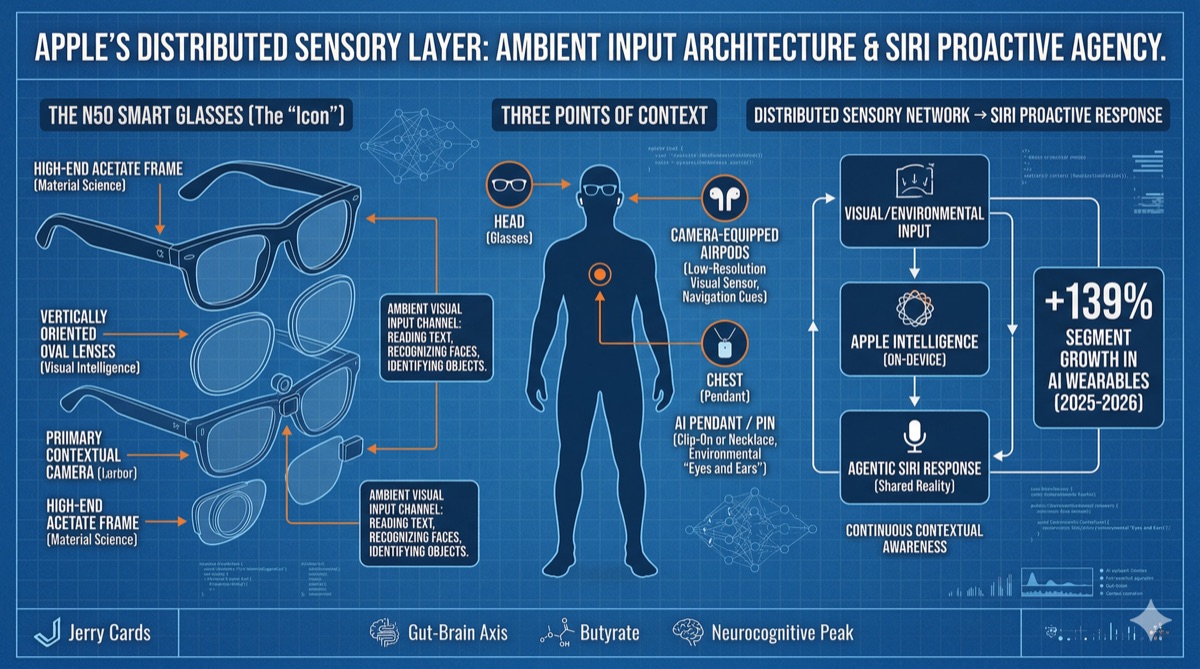
Bloomberg reveals Apple's N50 smart glasses with acetate frames in 4 styles (including a Tim Cook signature look), AI pendant, and camera AirPods. This isn't about gadgets — it's about giving Siri ambient visual and environmental awareness.
Read more →
Apr 4, 2026, 5:23 PM ETScience
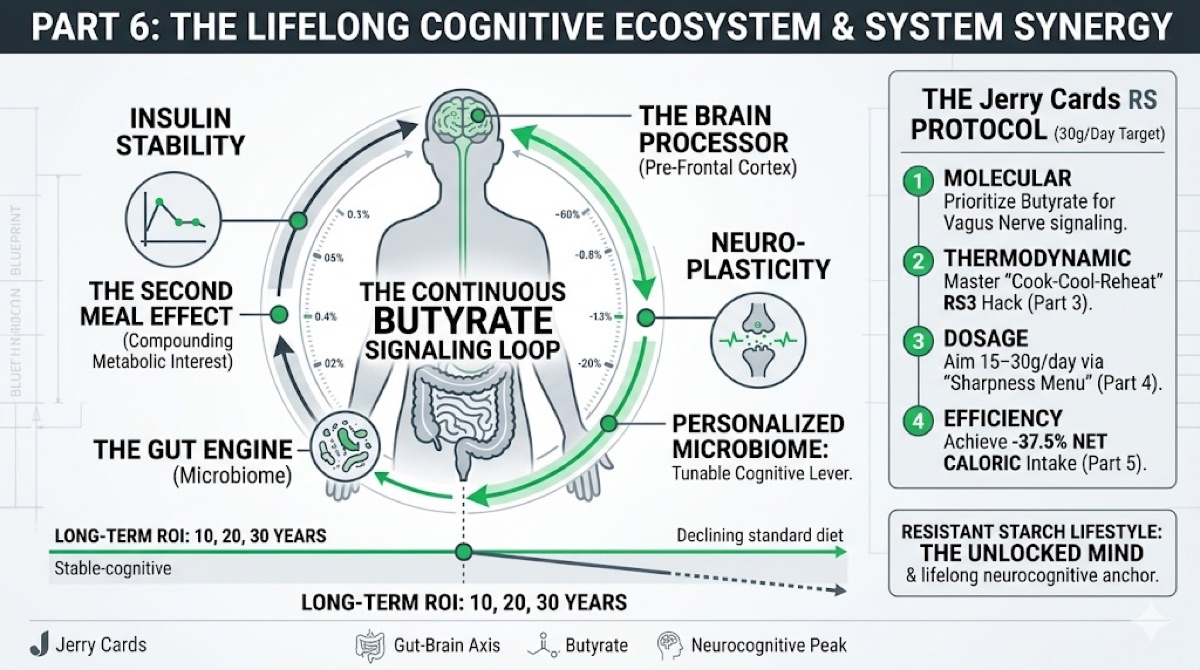
The series finale: how the Second Meal Effect compounds over decades, the personalized microbiome as a tunable cognitive lever, the complete Jerry Cards RS Protocol (30g/day), and why resistant starch is the simplest scientifically validated unlock for long-term brain performance.
Read more →
Apr 4, 2026, 5:17 PM ETScience
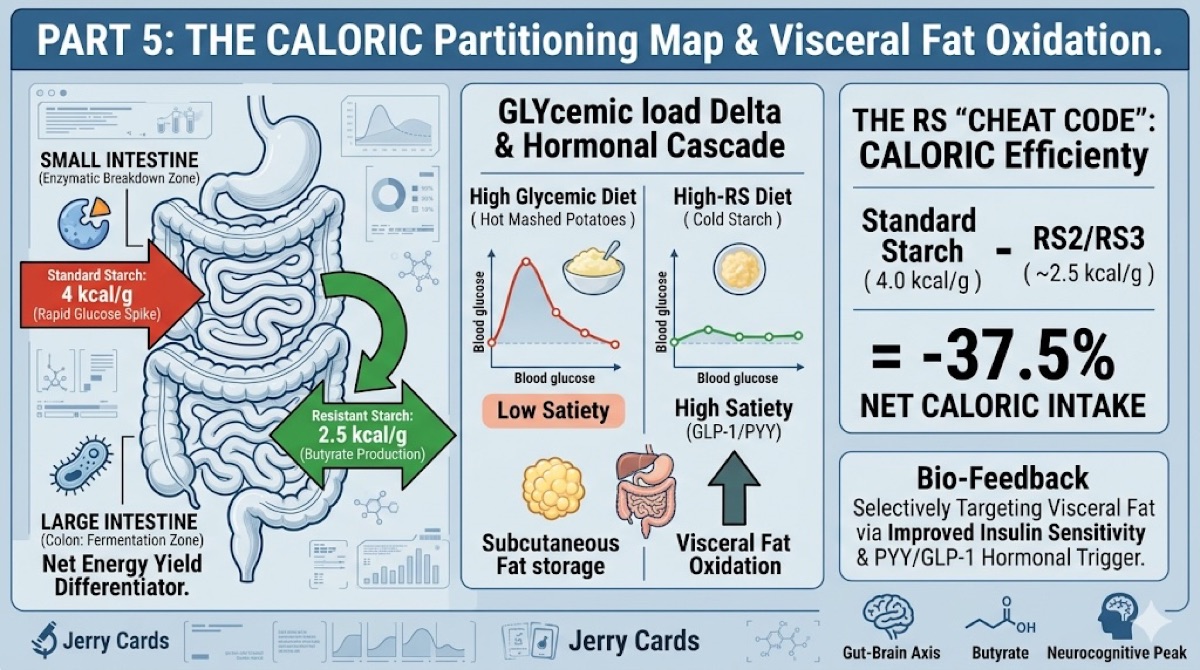
RS provides only ~2.5 kcal/g instead of 4 kcal/g — a 37.5% caloric reduction. It bypasses the small intestine entirely, triggers GLP-1/PYY satiety hormones, and clinical trials show it selectively reduces visceral fat via improved insulin sensitivity.
Read more →
Apr 4, 2026, 4:49 PM ETScience
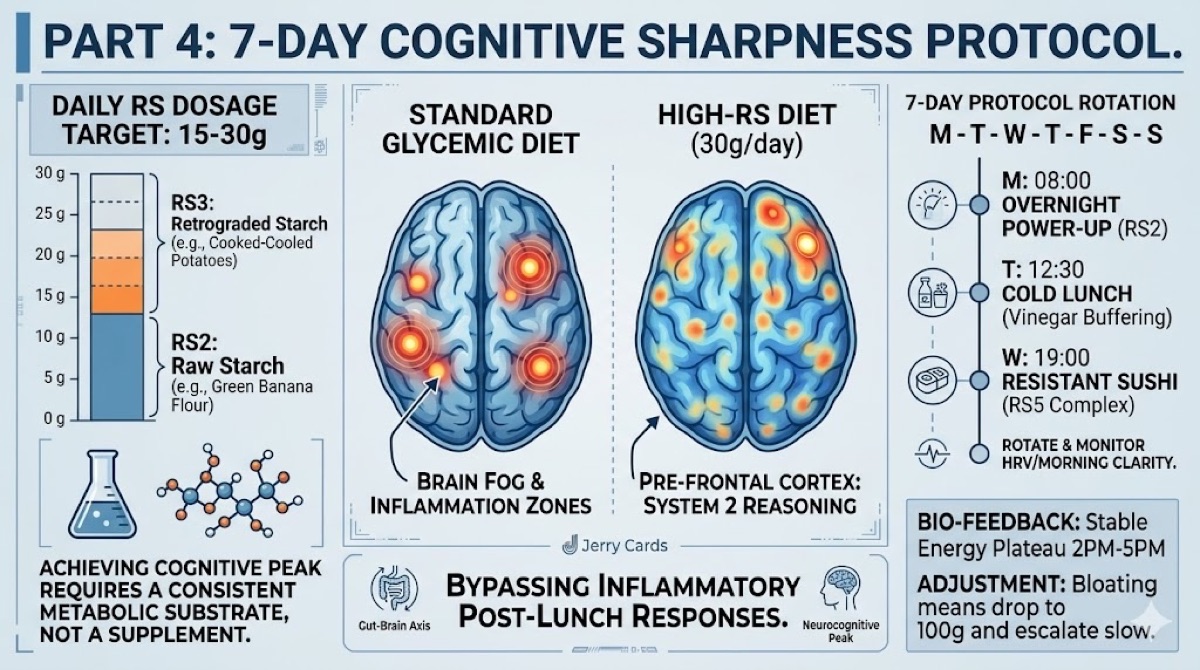
A precise 7-day meal protocol designed to deliver 15-30g of resistant starch daily for cognitive peak performance. Three rotating pillars, specific dosing targets, acid and lipid synergies, and bio-feedback markers.
Read more →
Apr 4, 2026, 4:23 PM ETScience
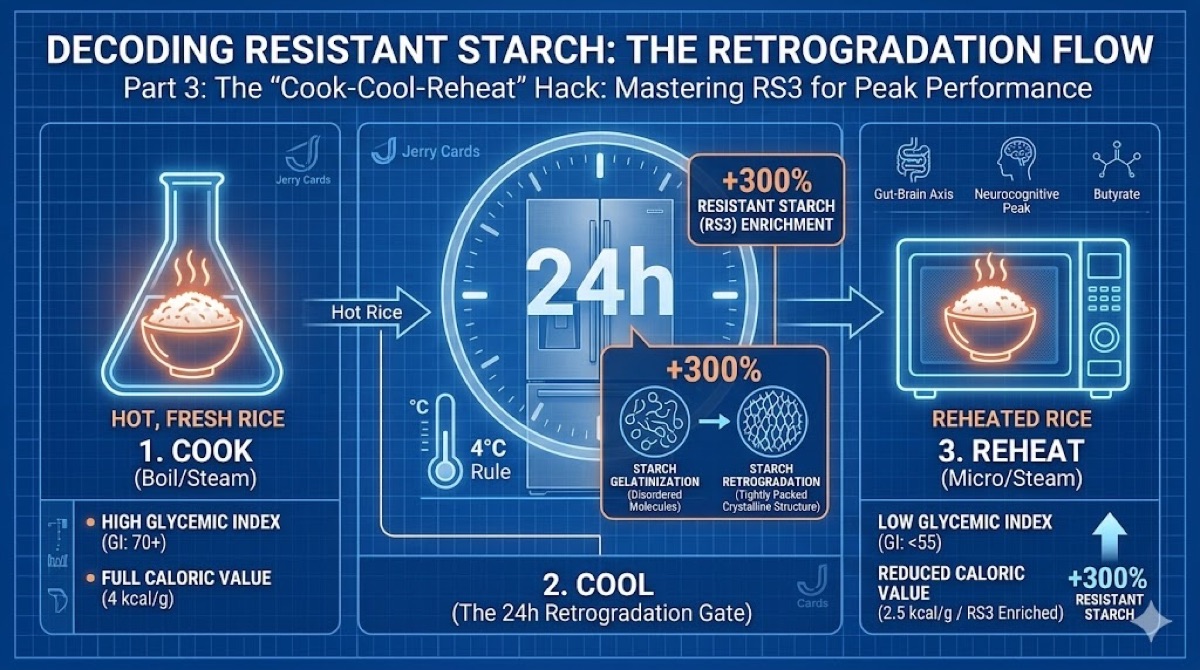
The most practical post in the series: how retrogradation transforms regular starch into RS3, dropping glycemic index from 70+ to below 55, reducing calories from 4 to 2.5 kcal/g, and boosting resistant starch content by up to 300%.
Read more →
Apr 4, 2026, 3:08 PM ETAI
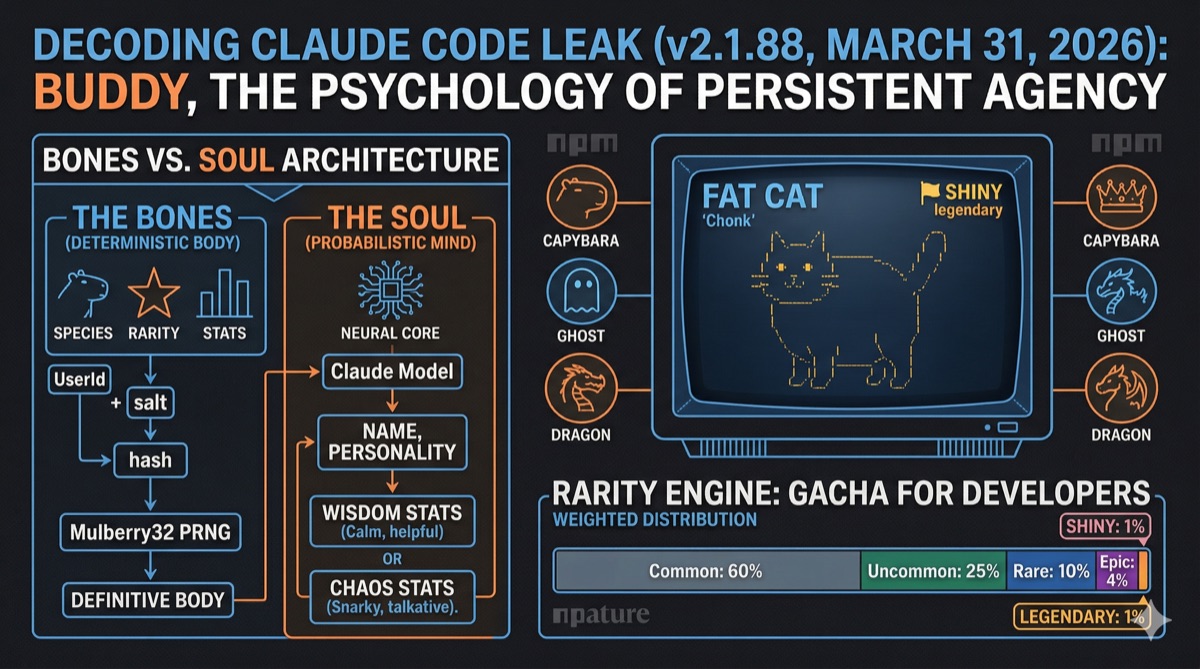
Part 5 concludes our series: the Buddy system uses Mulberry32 PRNG seeded from userId, 18 species across 5 rarity tiers, a dual Bones/Soul architecture, ASCII art with 3 animation frames, and serves as an identity anchor for persistent AI agents.
Read more →
Apr 4, 2026, 3:01 PM ETAI
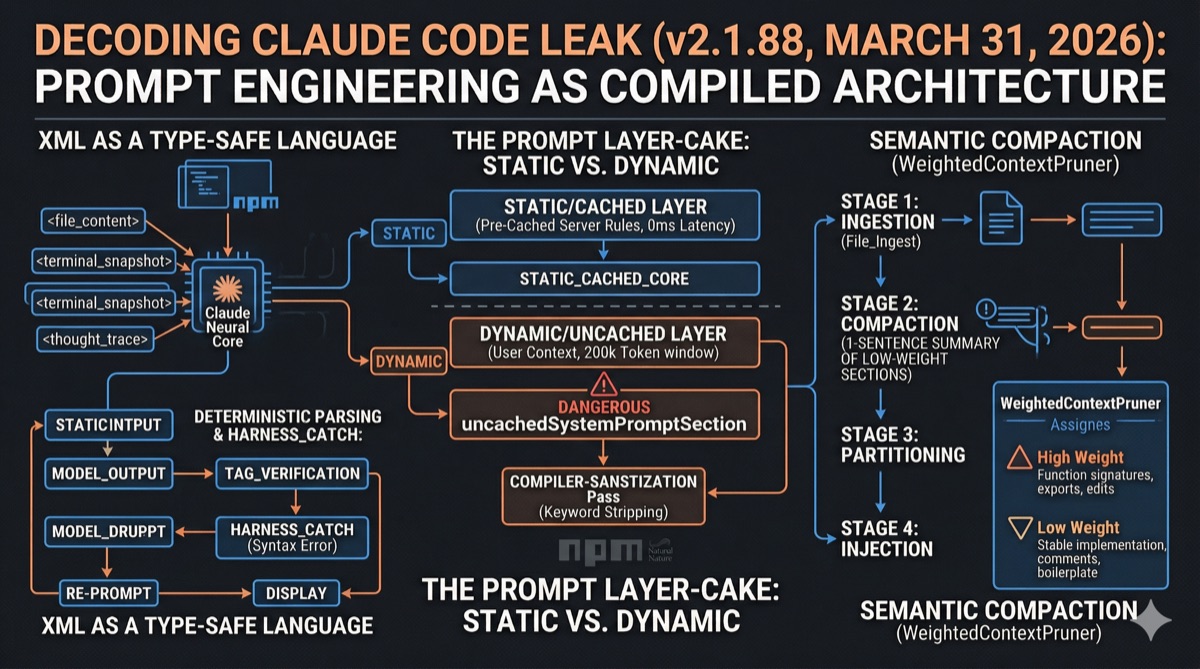
Part 4 of the Claude Code leak: DANGEROUS_uncached partitioning, 14 cache-break vectors with sticky latches, XML as type-safe boundaries, the WeightedContextPruner, 23 bash security checks, anti-distillation decoy tools, and context poisoning vulnerabilities.
Read more →
Apr 4, 2026, 2:51 PM ETAI
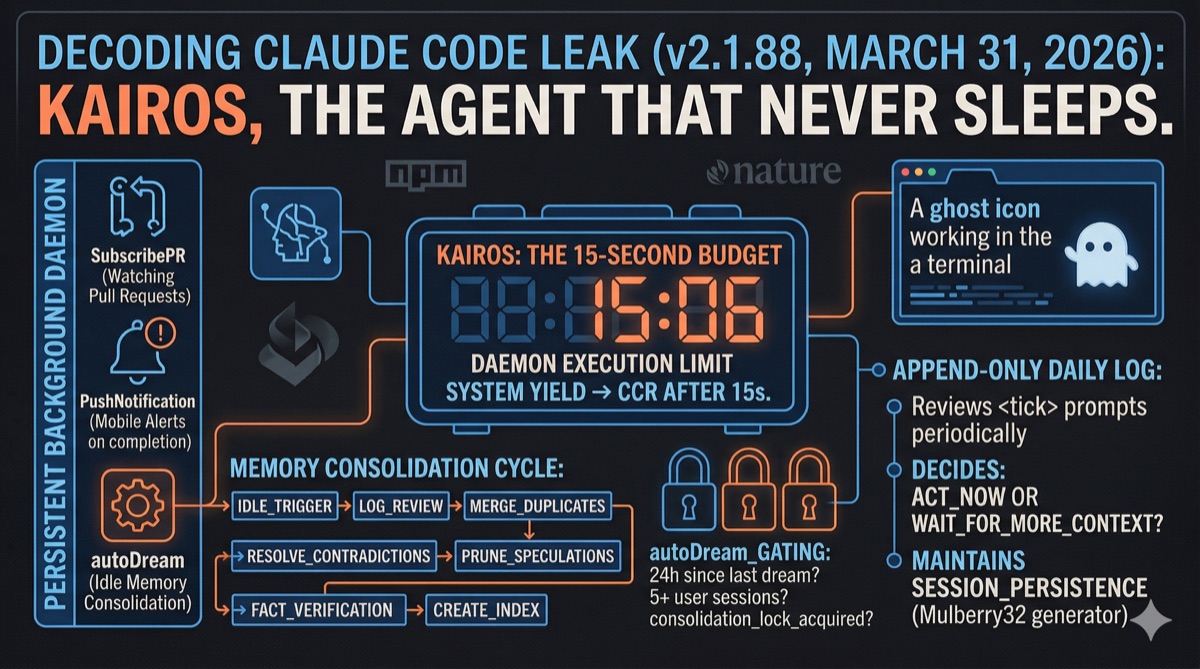
Part 3 of the Claude Code leak series: KAIROS is an unreleased always-on daemon with a 15-second blocking budget, tick-based proactive decision loop, append-only daily logs, autoDream memory consolidation, and exclusive tools for GitHub monitoring and push notifications.
Read more →

 العربية
 Español
 中文
中文 Deutsch
 Français
 Português