News & Insights
Tech, AI, science & Apple news curated by Jerry Cards. Unlocking US digital content worldwide since 2009.
Jun 15, 2026, 5:14 AM ETScience
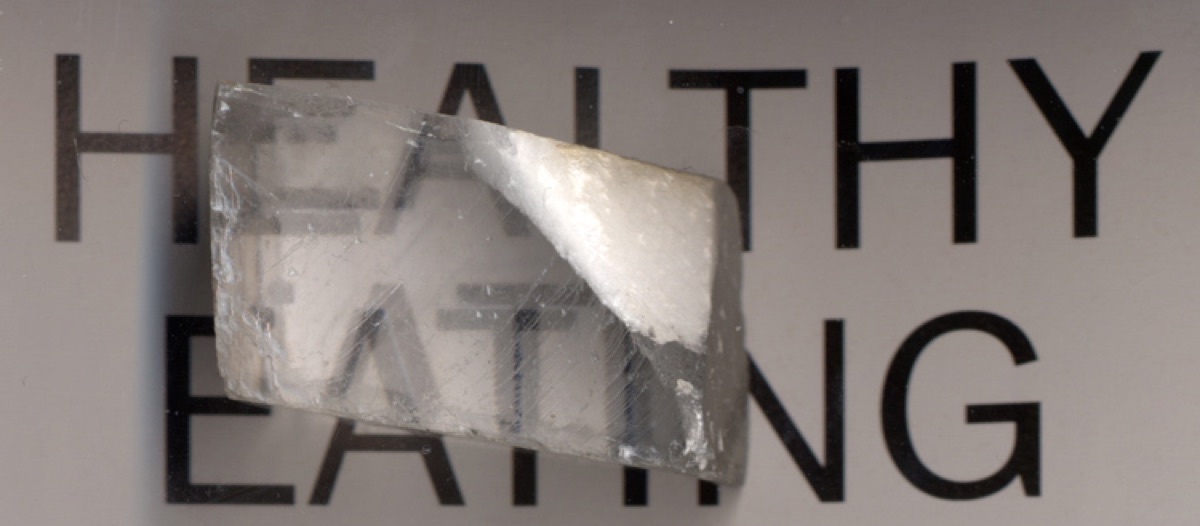
Researchers have measured one of the strongest light-bending effects ever seen in a natural material: a layered crystal called molybdenum oxychloride (MoOCl2) with an in-plane birefringence of about 2.2 - more than ten times that of calcite, the mineral that held the record for over a century. The same crystal behaves like an optical chameleon, reflecting light like polished metal along one direction and turning transparent like glass when rotated 90 degrees, and it hits a rare epsilon-near-zero point at 512 nm in visible green light. Because the effect is so concentrated, optical parts made from it could be thousands of times thinner than a human hair - exactly what is needed for ultrathin AR glasses, on-eye displays and smart contact lenses. The work, published in the American Chemical Society journal Nano Letters, comes from Dubai-based smart-lens unicorn XPANCEO with collaborators at the National University of Singapore and the University of Chemistry and Technology, Prague. Full breakdown: what birefringence is, why 2.2 is a milestone, the one-dimensional atom chains behind it, and what it means for the glasses and lenses on the horizon.
Read more →
Jun 15, 2026, 12:37 AM ETTech
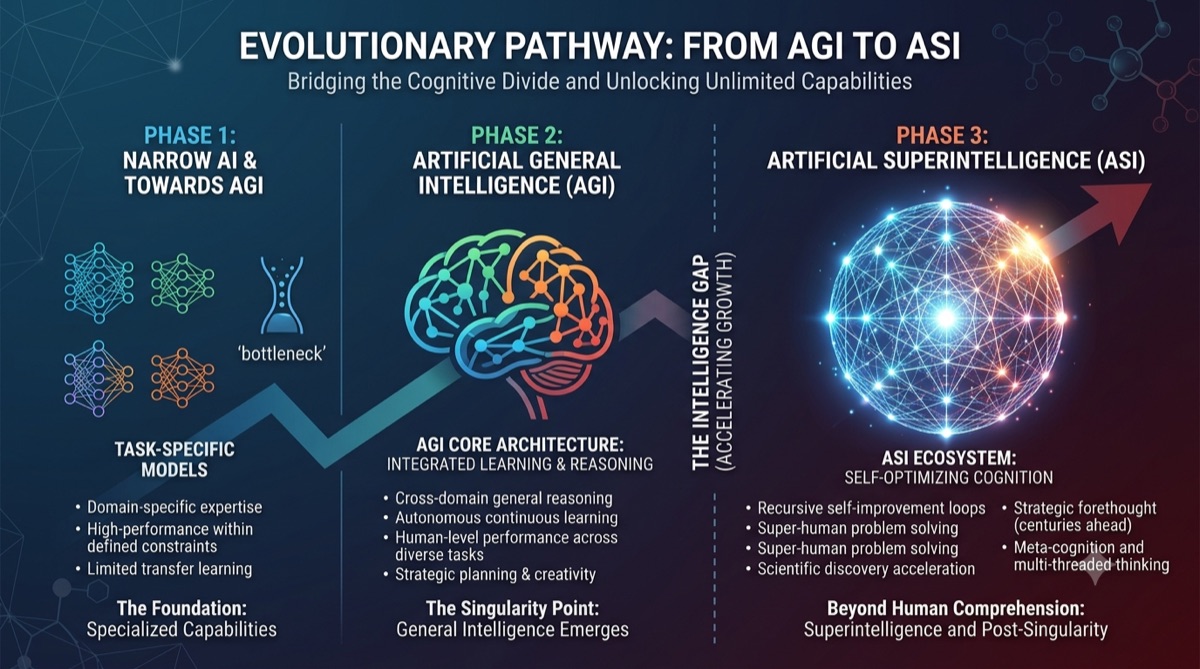
Google DeepMind has published a 60-page paper, 'From AGI to ASI' (arXiv, June 10, 2026), asking what happens once machines reach human-level general intelligence - and how AI might keep going, toward artificial superintelligence. Co-authored by DeepMind co-founder Shane Legg and AIXI creator Marcus Hutter, it lays out a clear vocabulary (AGI, ASI, and the theoretical limit of 'Universal AI'), four concrete pathways beyond AGI (scaling, new algorithms, recursive self-improvement, and multi-agent collectives), six bottlenecks that could slow things down, and a striking central argument: the leap may not be one dramatic 'big bang' but a sustained series of breakthroughs across science and technology. It also grounds the hype by spelling out the hard physical and mathematical limits even a superintelligence cannot escape. Here is the full, accessible breakdown.
Read more →
Jun 15, 2026, 12:15 AM ETScience
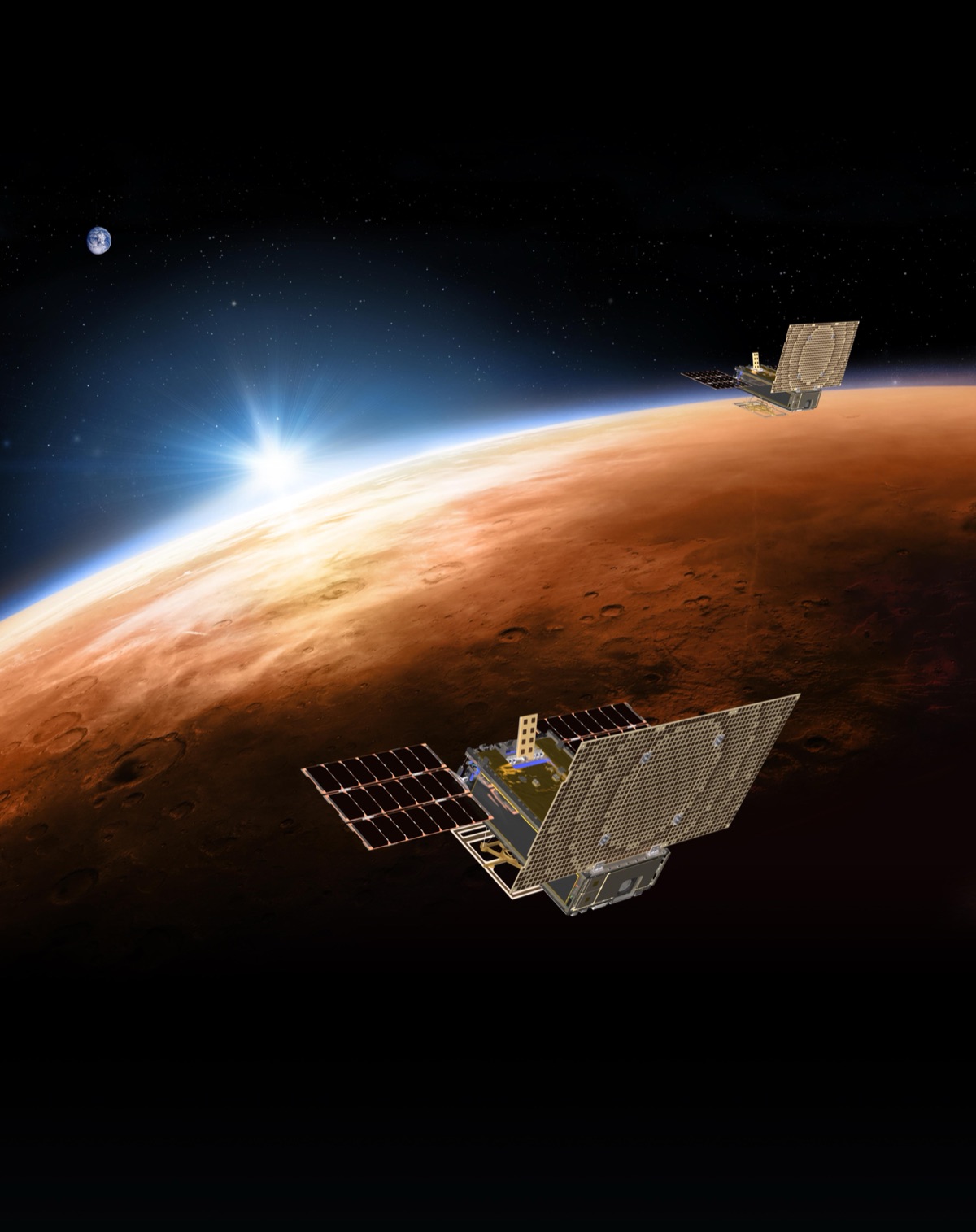
MIT engineers have demonstrated a two-in-one propulsion system in which a single, non-toxic green propellant powers both a chemical thruster (fast, powerful burns) and electric electrospray thrusters (slow, ultra-efficient cruising) from one shared fuel tank. The fuel is ASCENT - an ionic liquid about as thick as baby oil, originally synthesized by the U.S. Air Force as a safer alternative to highly toxic hydrazine. In lab tests, electrospray thrusters ran on just 1 gram of ASCENT each, continuously for up to 100 hours, with thrust comparable to the specialized fuels they normally use. Because tiny satellites usually can't fit two separate fuel systems, this 'best of both worlds' design could finally make briefcase-sized CubeSats nimble enough to journey to Mars or the asteroid belt. NASA will flight-test the concept on its Green Propulsion Dual Mode CubeSat, targeting a November 2026 launch. Published in the Journal of Propulsion and Power.
Read more →
Jun 14, 2026, 1:34 PM ETScience

The Jiangmen Underground Neutrino Observatory (JUNO) - a 20,000-tonne sphere of ultra-pure liquid sitting 700 meters under a mountain in southern China - published its first physics results in Nature on June 11, 2026. Using just 59 days of data, it measured two of the six numbers that govern how neutrinos oscillate (sin-squared theta_12 = 0.3092 +/- 0.0087 and delta-m-squared_21 = (7.50 +/- 0.12) x 10^-5 eV^2) with record accuracy - shrinking the uncertainty by a factor of about 1.6, roughly a 60% improvement over every previous experiment combined. Built by ~750 scientists from 74 institutions across 17 countries for more than $300 million, JUNO's headline goal is to crack the neutrino mass ordering, one of the deepest open puzzles in physics. These first results show it is on track to do exactly that within about six years.
Read more →
Jun 14, 2026, 5:14 AM ETHealth
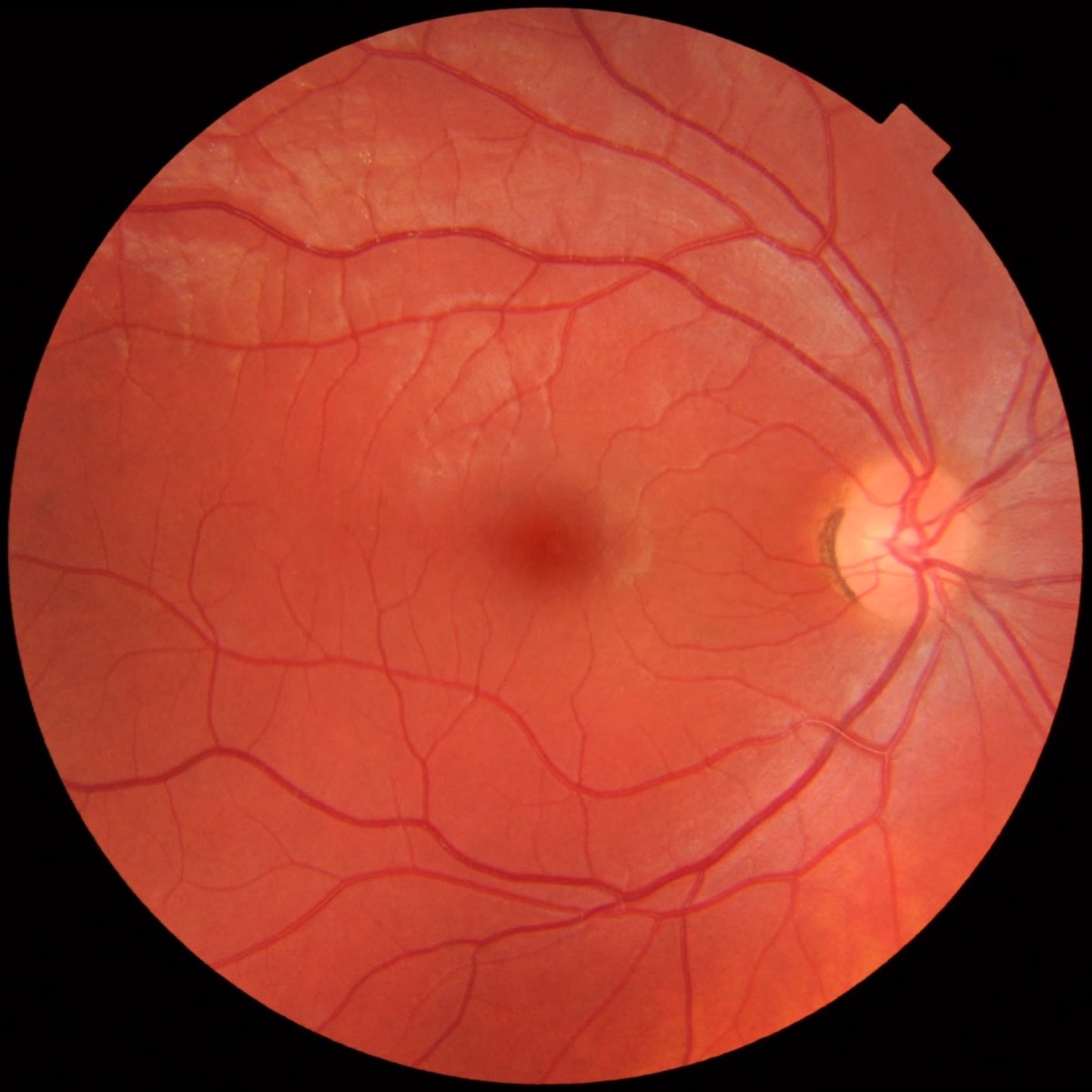
On June 9, 2026, Boston-based Life Biosciences dosed the first patient in its Phase 1 trial of ER-100 - described by Nature and Scientific American as the world's first clinical trial of partial cellular reprogramming in a human being. The one-time gene therapy is delivered to the eye and switches on three of the four classic Yamanaka factors - OCT4, SOX2 and KLF4 (OSK) - to gently reset a cell's epigenetic age toward a younger, healthier state without erasing its identity. The fourth factor, c-Myc, is deliberately left out to avoid cancer risk. The first targets are open-angle glaucoma and NAION, a sudden cause of vision loss in older adults that currently has no approved treatment. It builds on a decade of work, including David Sinclair's 2020 Nature study that reversed vision loss in aged mice. This is a Phase 1 safety trial - it is early days - but a concept once confined to petri dishes and mice has now, for the first time, reached a person.
Read more →
Jun 14, 2026, 12:13 AM ETHealth
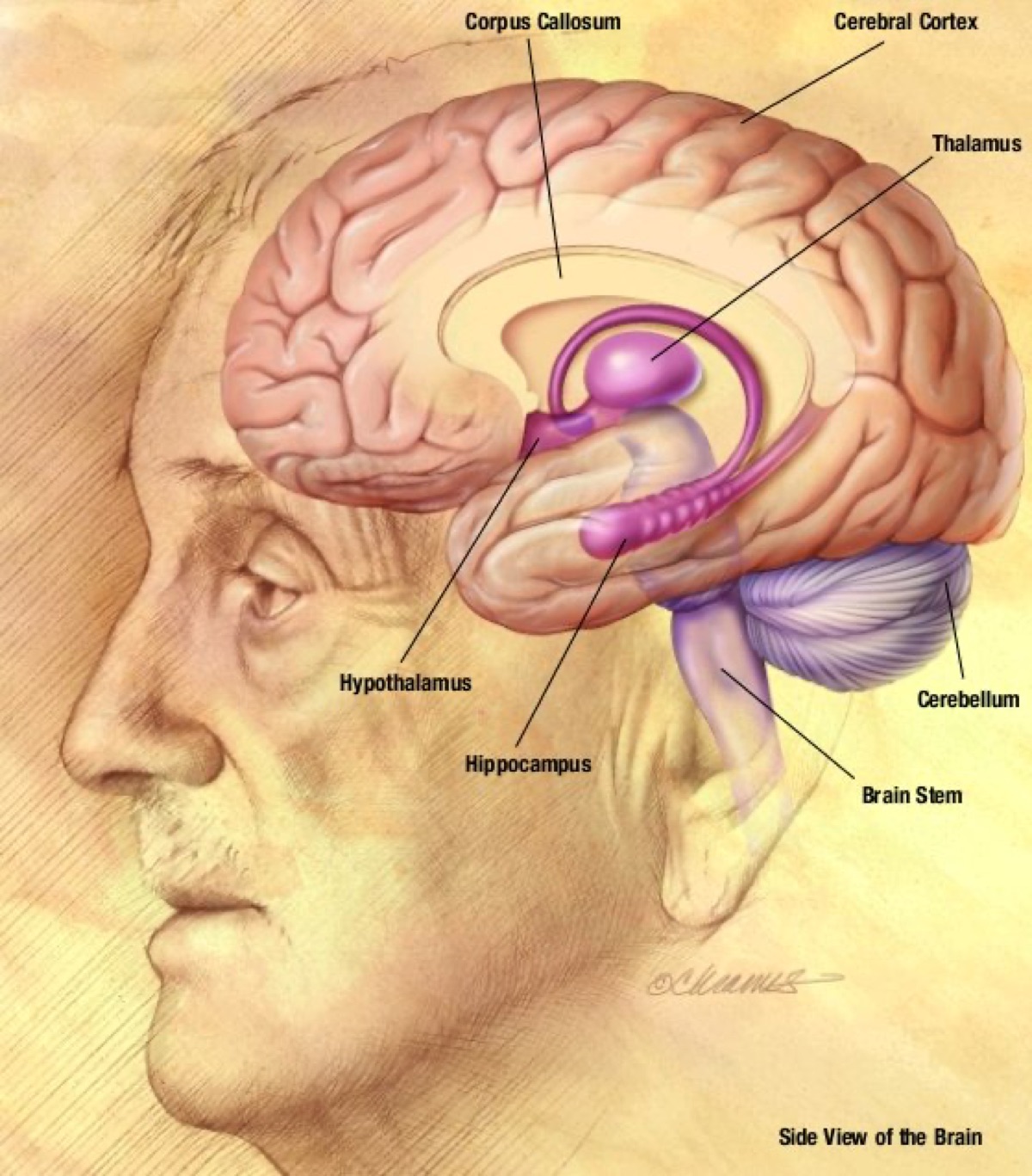
A three-year study of 3,966 adults aged 19 to 94, published in May 2026 in Nature Portfolio's journal Scientific Reports, found that brain health is not locked in by age - it can measurably improve at any stage of life, including in people in their 80s and 90s. Researchers at the Center for BrainHealth at UT Dallas tracked participants for more than 1,000 days using the BrainHealth Index, a composite of about 20 validated measures across three domains: Clarity (thinking), Connectedness (people and purpose), and Emotional Balance (resilience). The biggest surprise: the strongest predictor of improvement was not age, gender, or education - it was engagement. The people who started with the lowest scores improved the most, even top performers kept gaining past 1,000 days, and the largest gains were linked to just 5 to 15 minutes a day of strategy-based brain training plus brain-healthy habits. Full breakdown: how brain health was measured, what they found, the practical daily takeaways, and the honest limitations.
Read more →
Jun 13, 2026, 10:42 PM ETHealth

In a study published in Science on June 12, 2026, Stanford Medicine researchers showed that blocking one aging-related enzyme - 15-PGDH, which they call a 'gerozyme' - regrew lost joint cartilage in aged mice, prevented arthritis after injury, and prompted human cartilage tissue to start regenerating. The regrown tissue was hyaline cartilage, the real functional kind, and it happened by rejuvenating existing cartilage cells rather than using stem cells. Encouragingly, an oral 15-PGDH inhibitor is already in early human clinical trials (for age-related muscle weakness) and has passed Phase 1 safety. Osteoarthritis affects hundreds of millions of people and has no approved disease-modifying drug - so a treatment that targets the root cause would be a major shift. The honest caveats: the cartilage results are in mice and in lab tissue samples, not yet a full human trial.
Read more →
Jun 13, 2026, 9:33 AM ETTech

In what appears to be a first for the AI industry, the U.S. government on June 12, 2026 issued an export-control directive - citing national-security authority - forcing Anthropic to abruptly disable its two most powerful models, Claude Fable 5 and Mythos 5, worldwide. Fable 5 had launched only three days earlier, on June 9. The order targets foreign nationals, but because Anthropic cannot separate them from U.S. users in real time, it pulled both models for everyone. The government's concern is a claimed 'jailbreak'; Anthropic publicly disagrees, calling it a narrow, non-universal issue whose capability is 'widely available from other models (including OpenAI's GPT-5.5).' All other Claude models remain online. Here's exactly what happened, both sides of the argument, and why this is a landmark moment for AI policy.
Read more →
Jun 13, 2026, 2:23 AM ETTech

SpaceX debuted on Nasdaq (ticker SPCX) on Friday, June 12, 2026, selling 555.6 million shares at $135 to raise roughly $75 billion - more than 2.5x the previous record (Saudi Aramco, 2019) - at a $1.77 trillion pricing valuation. The stock opened at $150, spiked as high as $176.52 (+31%), and closed up 19% at $160.95, pushing SpaceX's market cap to about $2.1 trillion and tipping Elon Musk's net worth past $1 trillion on paper. But the company is unprofitable (~$8.7B in losses) and priced near 100x sales - Morningstar pegs fair value 53% below the IPO price. Full breakdown: the exact numbers, what the money is for (including orbital AI data centers), the bull-vs-bear case, and the AI IPO wave (Anthropic, OpenAI) right behind it.
Read more →
Jun 11, 2026, 7:45 AM ETTech

Apple's WWDC 2026 keynote (June 8, Apple Park) delivered the long-promised Siri rebuild - Siri AI, powered by Apple Foundation Models that Apple says are 'custom-built in collaboration with Google and its Gemini models' - alongside six OS updates unified at version 27, the first Apple-silicon-only macOS (27 'Golden Gate'), a homeOS preview, and a sweeping parental-controls overhaul. It was also Tim Cook's final keynote as CEO before John Ternus takes over September 1. AAPL hit a record 317.40 intraday, then fell roughly 8.5% from the peak in 27 hours as Wall Street split between a 400 bull case and a 276 floor. Full breakdown: the Google deal's reported terms, the three-tier privacy architecture, the EU standoff, every compatibility cut, the developer story, and Cook's 15-year legacy in numbers.
Read more →
May 26, 2026, 10:47 PM ETTech
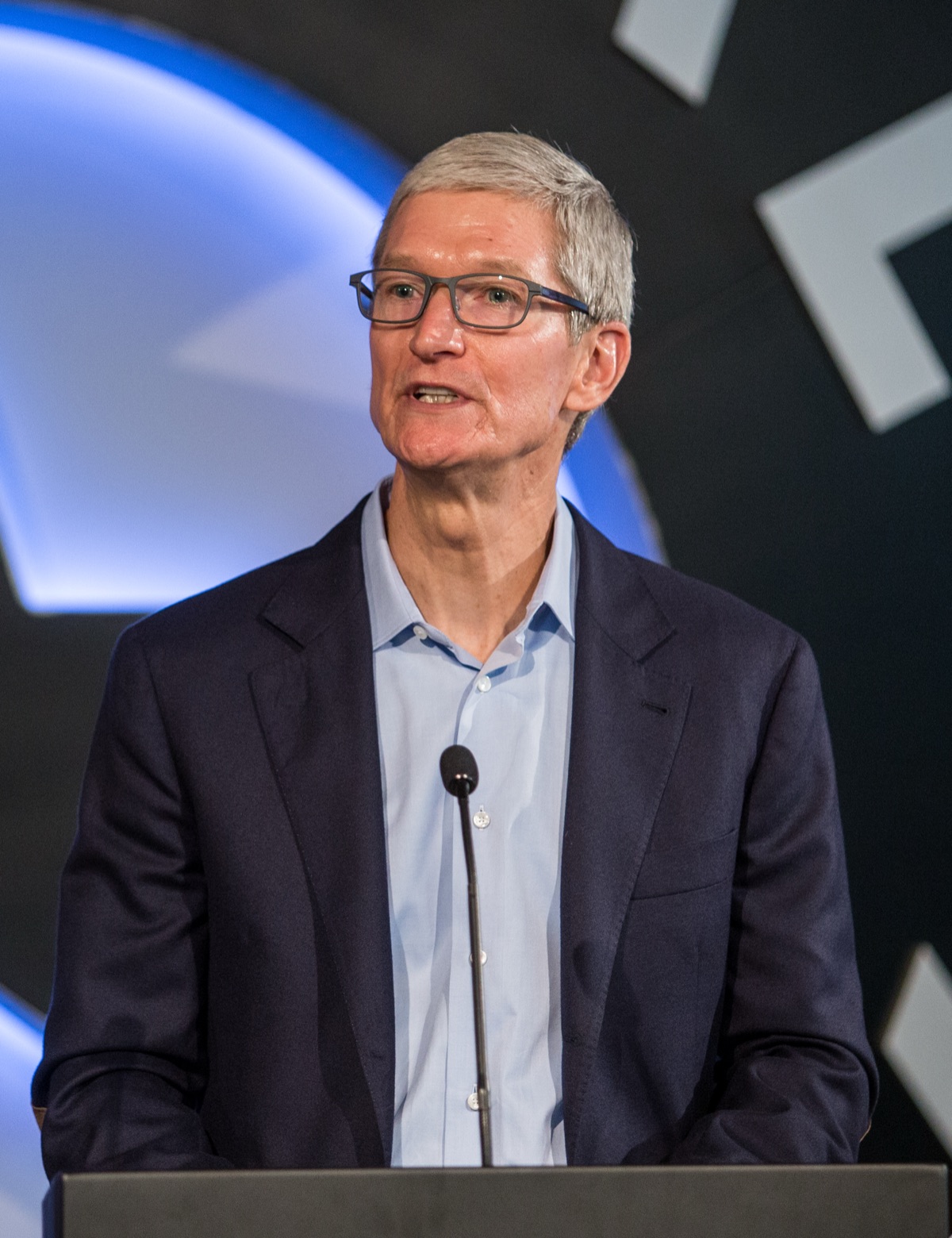
On June 8, 2026 - thirteen days from now - Tim Cook walks onto the Apple Park stage to deliver his final keynote as CEO. He steps down on September 1, handing the role to John Ternus, currently SVP of Hardware Engineering. Cook becomes Executive Chairman. The WWDC 2026 keynote is now Silicon Valley's most carefully orchestrated succession story - and the most pressure-loaded software event of the year. Apple needs to land iOS 27, macOS 27, and most of all the Siri overhaul (Project Campos, reportedly running on a custom Google Gemini model). Google's I/O 2026 keynote shipped Gemini Spark, Gemini Omni, and iPhone-compatible Android XR glasses last week. Apple now has to respond. Here is what to watch.
Read more →
May 26, 2026, 11:16 AM ETHealth

Two new randomized trials are about to rewrite a 40-year heart attack guideline. The REBOOT trial (8,400+ patients, ~3.7 years of follow-up) found that beta blockers offered no benefit for heart attack survivors whose heart function stayed normal - no reduction in death, repeat heart attacks, or heart failure hospitalization. SMART-DECISION confirmed it: stable post-MI patients can safely stop taking the drug. The bigger surprise: in women, beta blockers were associated with a higher risk of death, repeat heart attack, or heart failure hospitalization. Cardiology guidelines worldwide are now in motion. If you or a family member has been on a beta blocker after a heart attack with preserved heart function, this is a conversation to have with your cardiologist.
Read more →

 العربية
 Español
 中文
中文 Deutsch
 Français
 Português