News & Insights
Tech, AI, science & Apple news curated by Jerry Cards. Unlocking US digital content worldwide since 2009.
Jul 18, 2026, 12:16 AM ETTech
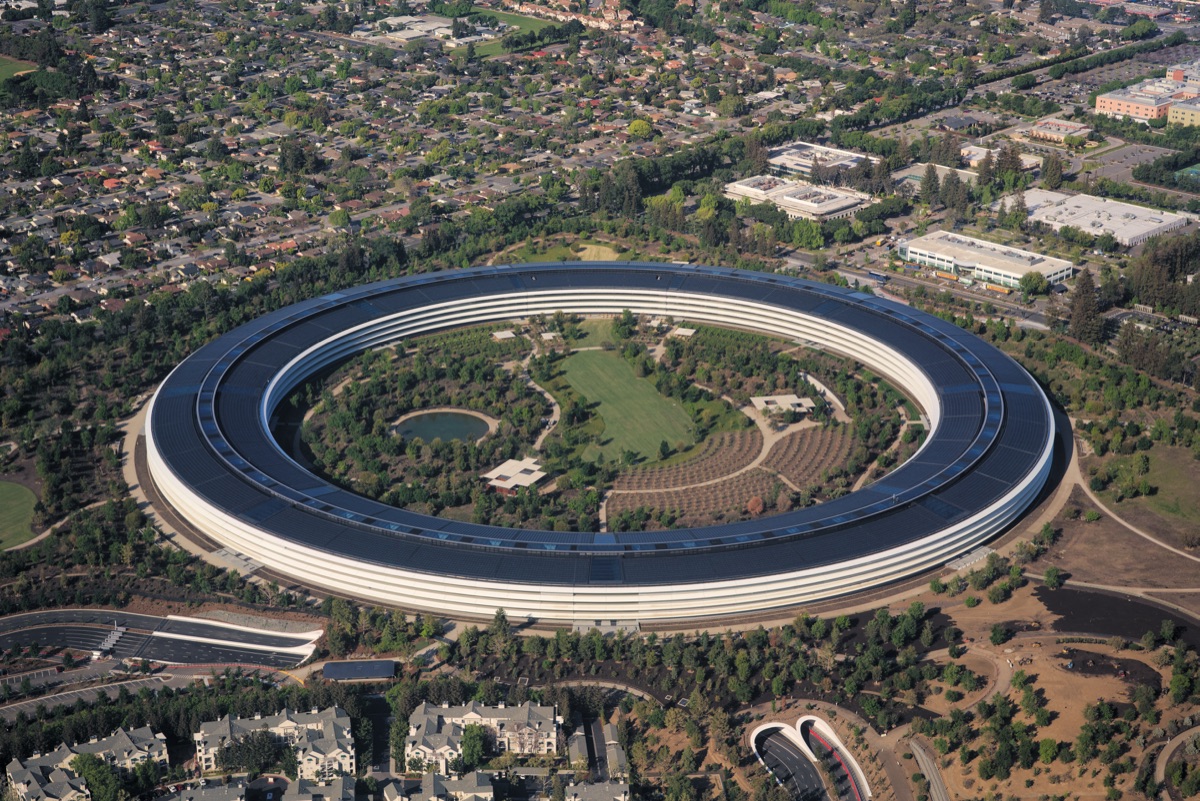
Apple scored a record 89 nominations for the 78th Primetime Emmy Awards, spread across 15 Apple Original programs - the third year running that Apple TV has broken its own record (72 in 2024, 81 in 2025, 89 in 2026). The horror-comedy Widow's Bay, starring and executive produced by Matthew Rhys, led the slate with 19 nominations, followed by Vince Gilligan's sci-fi drama Pluribus (starring Rhea Seehorn, already Apple's most-watched drama launch ever) with 18. Shrinking took 10, Slow Horses 9, and both Margo's Got Money Troubles and Palm Royale earned 8. The remarkable part is the hit rate: Apple TV only launched in November 2019, yet a comparatively small, tightly curated catalog is now pulling in nearly 90 Emmy nominations a year. The ceremony airs live Monday, September 14, 2026, on NBC and Peacock, hosted by Mariska Hargitay - the first woman to host the Emmys in 15 years.
Read more →
Jul 17, 2026, 1:17 PM ETScience
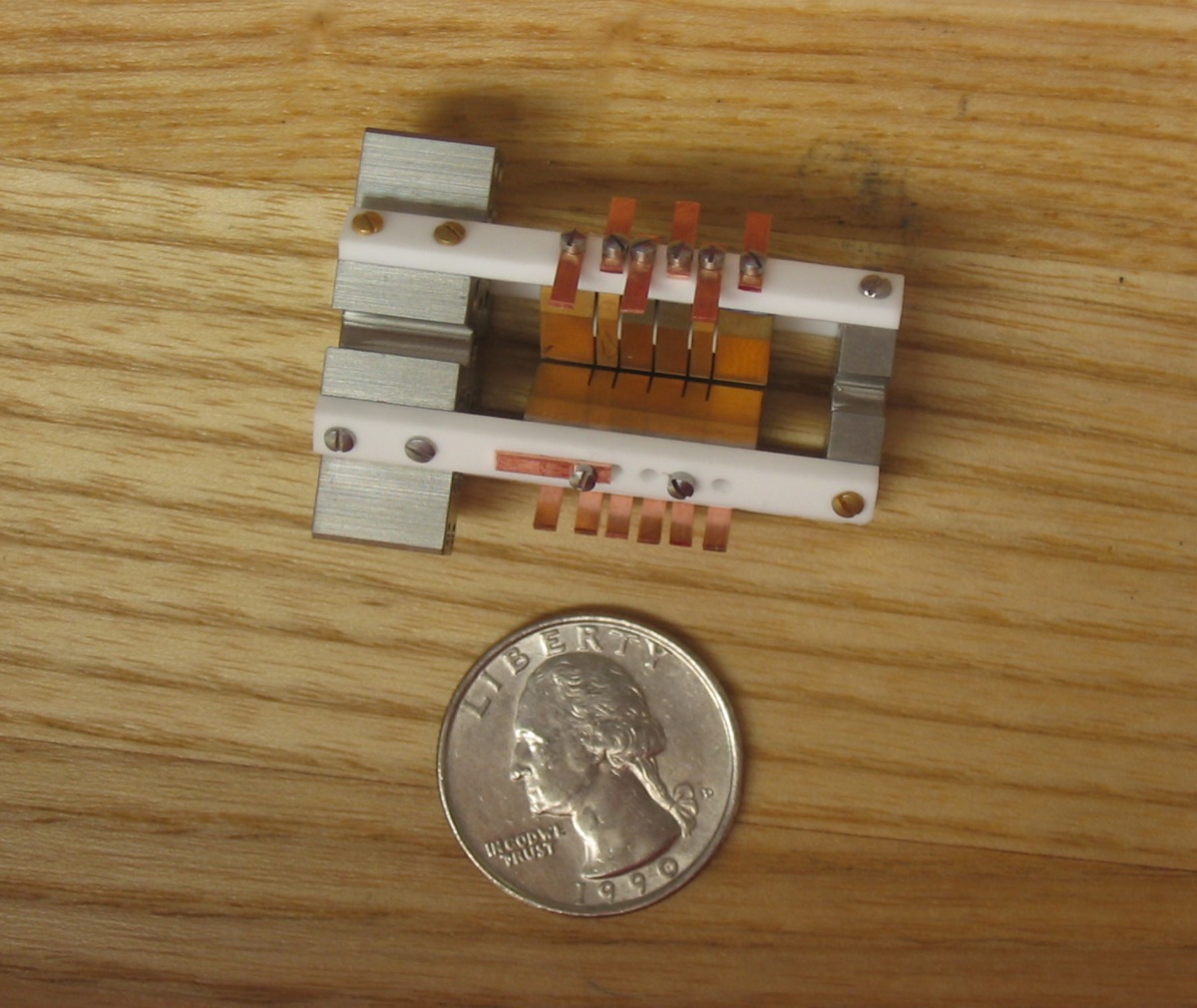
In our everyday world time runs one way - coffee cools, glass shatters, we remember the past but not the future. Yet the fundamental laws that govern single quantum particles barely distinguish forward from backward. In a paper titled “Reshaping the Quantum Arrow of Time,” published July 3, 2026 in Physical Review X, a team led by Los Alamos National Laboratory (Luis Pedro García-Pintos, Yi-Kai Liu, and Alexey V. Gorshkov) showed how to grab hold of that arrow: by combining continuous quantum measurements with tailored feedback control, they can suppress, strengthen, or even reverse a quantum system’s arrow of time, steering it along a path that looks - statistically - like time running backward. The same measurement-and-feedback toolkit doubles as an engine that extracts usable energy directly from the act of measuring. The honest fine print: this is not time travel and it does not break the second law of thermodynamics - the effect lives in the statistics of quantum trajectories, and the energy is paid for by the information gained. Next stop: an experimental demonstration on superconducting qubits.
Read more →
Jul 17, 2026, 9:15 AM ETScience
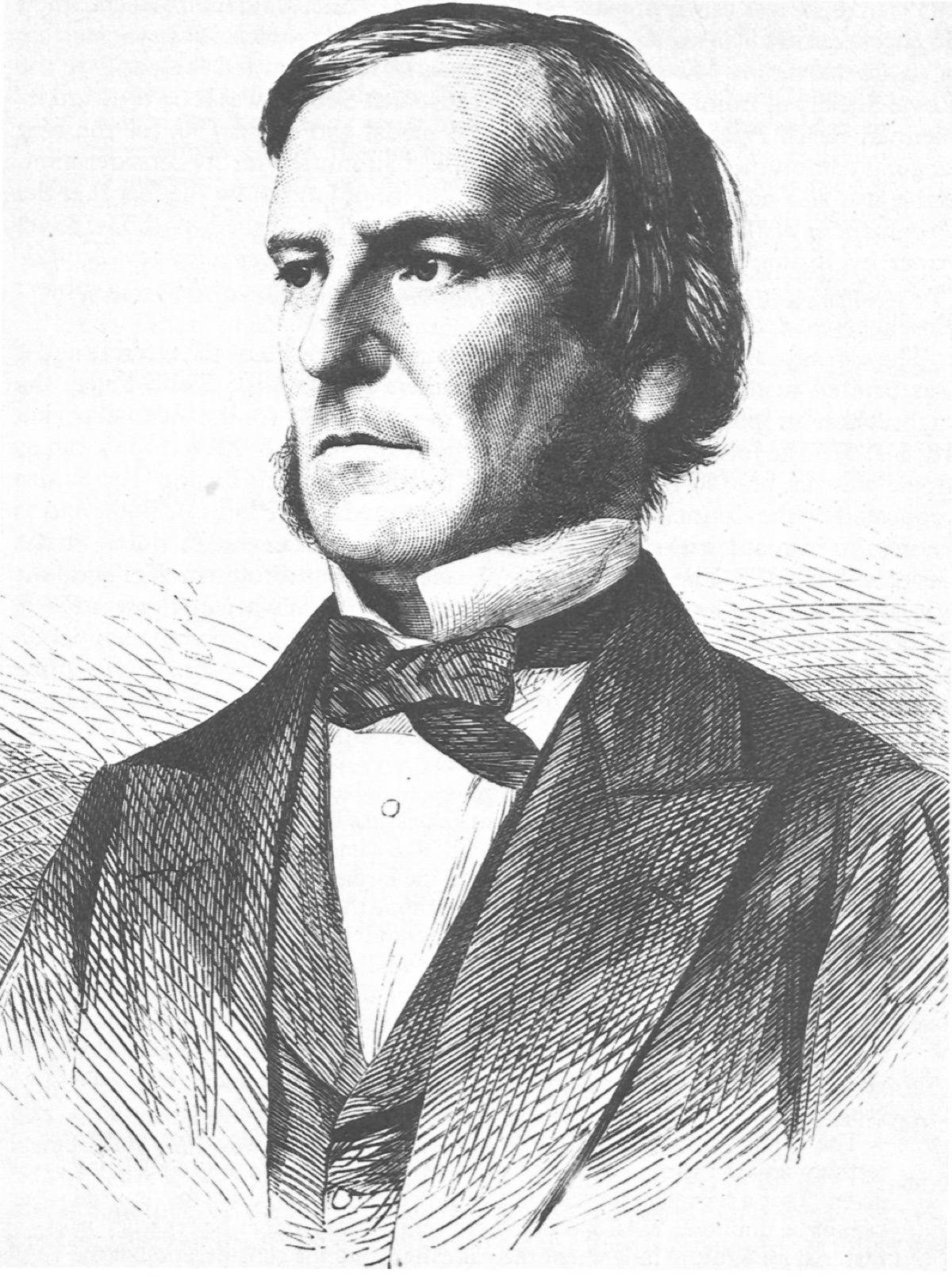
In 1854, a self-taught son of a shoemaker who had never attended university published a book with an audacious claim: that the laws of human reasoning could be written down as algebra. George Boole's 'An Investigation of the Laws of Thought' reduced logic to equations, built on a strange little law - x squared equals x - that quietly forces every symbol in the system to be either 1 or 0. True or false. All or nothing. Boole believed he was mapping the mind. He was not. He was writing the instruction set for a machine that would not exist for another century. For 85 years the work sat in the philosophy shelves, admired and largely unused, until a 21-year-old MIT graduate student named Claude Shannon - who had studied Boolean algebra in a Michigan math class - realised that Boole's two values described something physical: a switch, open or closed. Shannon's 1937 master's thesis fused them, and digital circuit design changed from an art into a science. Every chip on Earth now computes in Boole's algebra. He died in 1864 having never seen a computer, with no idea one was coming. A tribute to the quietest foundational paper in computing.
Read more →
Jul 17, 2026, 5:12 AM ETTech
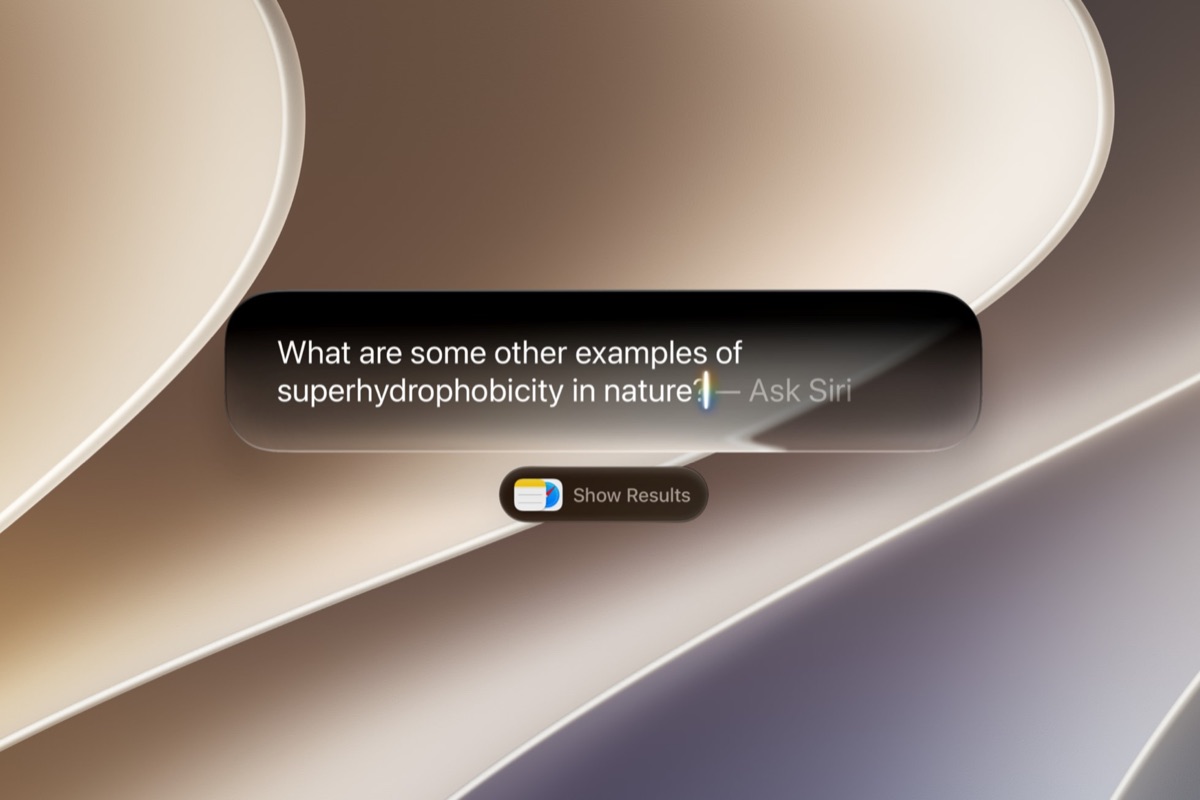
On Monday, July 13, 2026, Apple released the first public beta of iOS 27 - and with it, Siri AI, the rebuilt assistant announced at WWDC in June, is no longer locked behind a developer account. Anyone with a compatible iPhone can now enroll for free and try an assistant that holds a real conversation, understands what is on screen, searches your own photos, mail, and messages, and takes action across apps. Public betas of iPadOS 27, macOS 27 Golden Gate, watchOS 27, tvOS 27, and HomePod Software 27 arrived alongside it. Inside: what Siri AI actually does, the Liquid Glass transparency slider, the ten features worth testing first, which devices qualify, how Private Cloud Compute keeps your data private, and when the finished release is expected.
Read more →
Jul 17, 2026, 12:12 AM ETTech
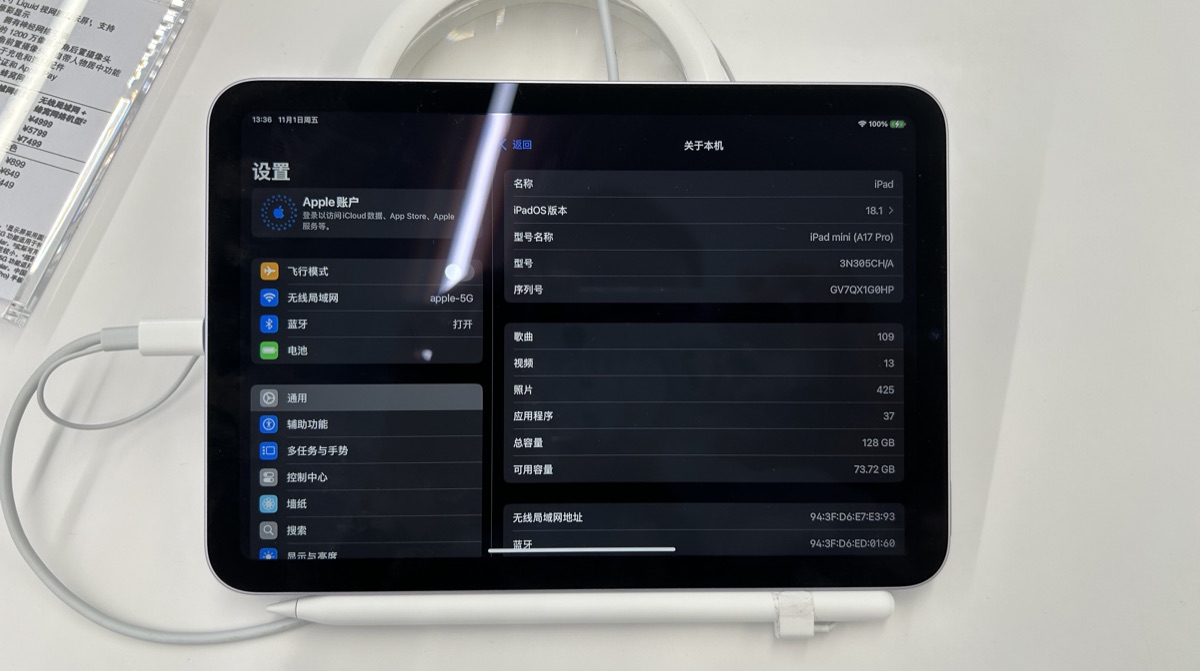
The iPad mini has always been the charming one - the tablet you actually hold in one hand - and always the one stuck with the oldest screen technology in the lineup. That looks set to change. Bloomberg's Mark Gurman reported on July 16, 2026 that Apple is nearing the launch of an iPad mini with an OLED display - a first for the line - with a release planned by October this year. The device, reportedly code-named J510, is also expected to carry a far faster chip than the current A17 Pro, a vibration-based speaker system that does away with traditional speaker holes, and a more water-resistant body. Gurman adds that a new entry-level iPad (J581) and redesigned iPad Airs (J807, J837) follow in 2027, with the Air eventually moving to OLED too. Nothing here is official - this is reporting, not an Apple announcement - but it points to the biggest jump the mini has taken since it was born. Inside: exactly what was reported, what OLED did for the iPad Pro, why a speaker with no holes is cleverer than it sounds, and how much to trust the timeline.
Read more →
Jul 16, 2026, 1:14 PM ETScience
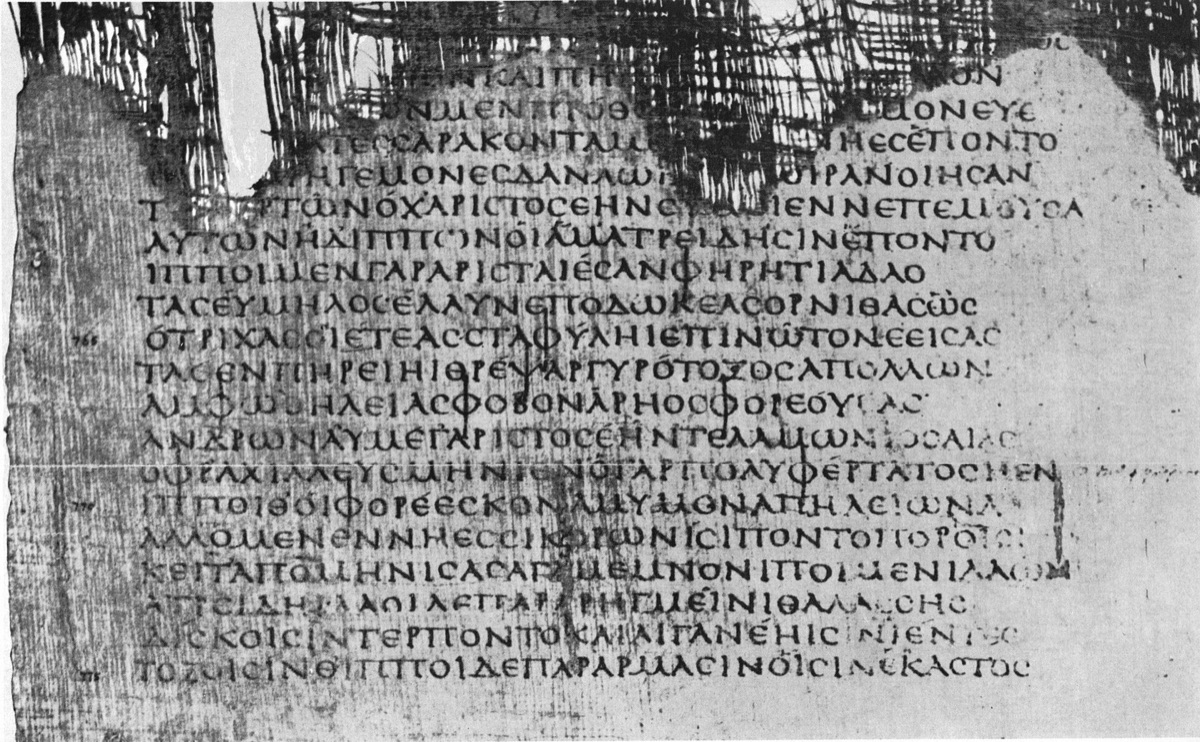
The University of Barcelona's Oxyrhynchus mission found a fragment of the Iliad's Catalogue of Ships laid on a Roman-era mummy's abdomen as part of the embalming - the first known case of a Greek literary text built into a mummification ritual. Every papyrus found in that position before was a spell.
Read more →
Jul 16, 2026, 9:12 AM ETScience
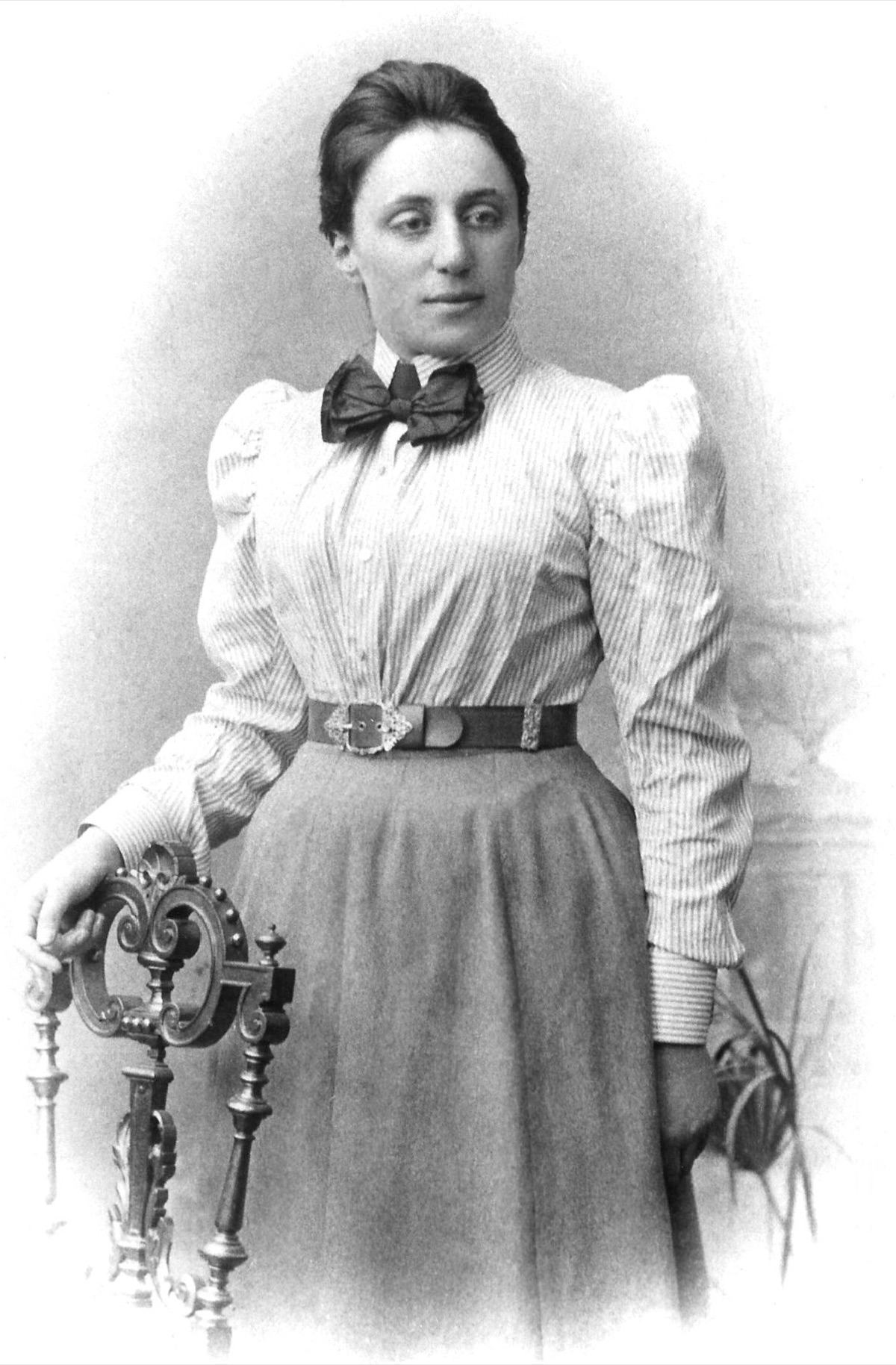
On 26 July 1918, Felix Klein read a paper to the Gottingen Scientific Society on behalf of a colleague who was not allowed to be a member of it. The paper was 'Invariante Variationsprobleme,' the colleague was Emmy Noether, and it contained what many physicists now regard as the most beautiful result in their subject. Noether proved that every conservation law in physics - every quantity that never changes - is the shadow of a symmetry. Because the laws of physics work the same today as tomorrow, energy is conserved. Because they work the same here as over there, momentum is conserved. Because space has no preferred direction, angular momentum is conserved. Conservation was no longer a set of separate rules discovered by experiment; it was a single theorem, and its source was symmetry. Her second theorem went further, explaining the puzzle that had brought her to Gottingen in the first place: why energy behaves so strangely in Einstein's general relativity. That result now underpins gauge theory and the entire Standard Model of particle physics. Noether wrote it while working without a salary or a title, lecturing under Hilbert's name because the faculty would not appoint a woman. Einstein called her the most significant creative mathematical genius produced since the higher education of women began. A tribute to the theorem that told us why the universe keeps its promises.
Read more →
Jul 16, 2026, 5:12 AM ETTech
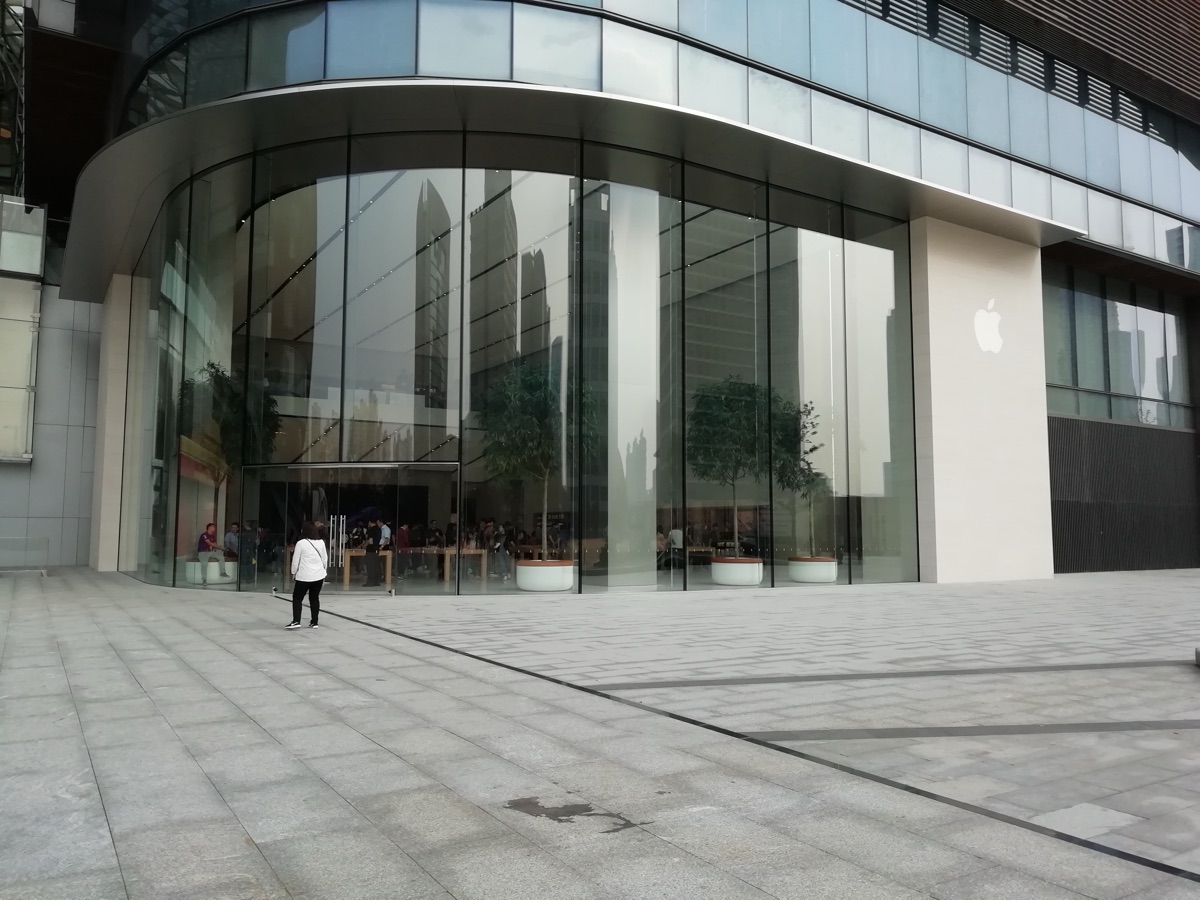
On Wednesday, July 15, 2026, the Cyberspace Administration of China published a notice approving Apple Intelligence for iPhone - ending a wait that has run since Apple's AI platform debuted in 2024. The China build runs on Alibaba's Qwen for text and image understanding and generation, with Baidu contributing on a smaller scale, reported to power search features. Apple Intelligence was one of seven smartphone AI services in the batch and one of only two non-Chinese ones. No launch date has been announced, though clearance usually precedes a rollout by a few months. The approval lands on momentum: Apple's Greater China revenue hit $20.5 billion last quarter, up 28% - its best there in nearly four years. Inside: what was approved, how the China build differs, why it took two years, and what is still unconfirmed.
Read more →
Jul 16, 2026, 12:19 AM ETTech
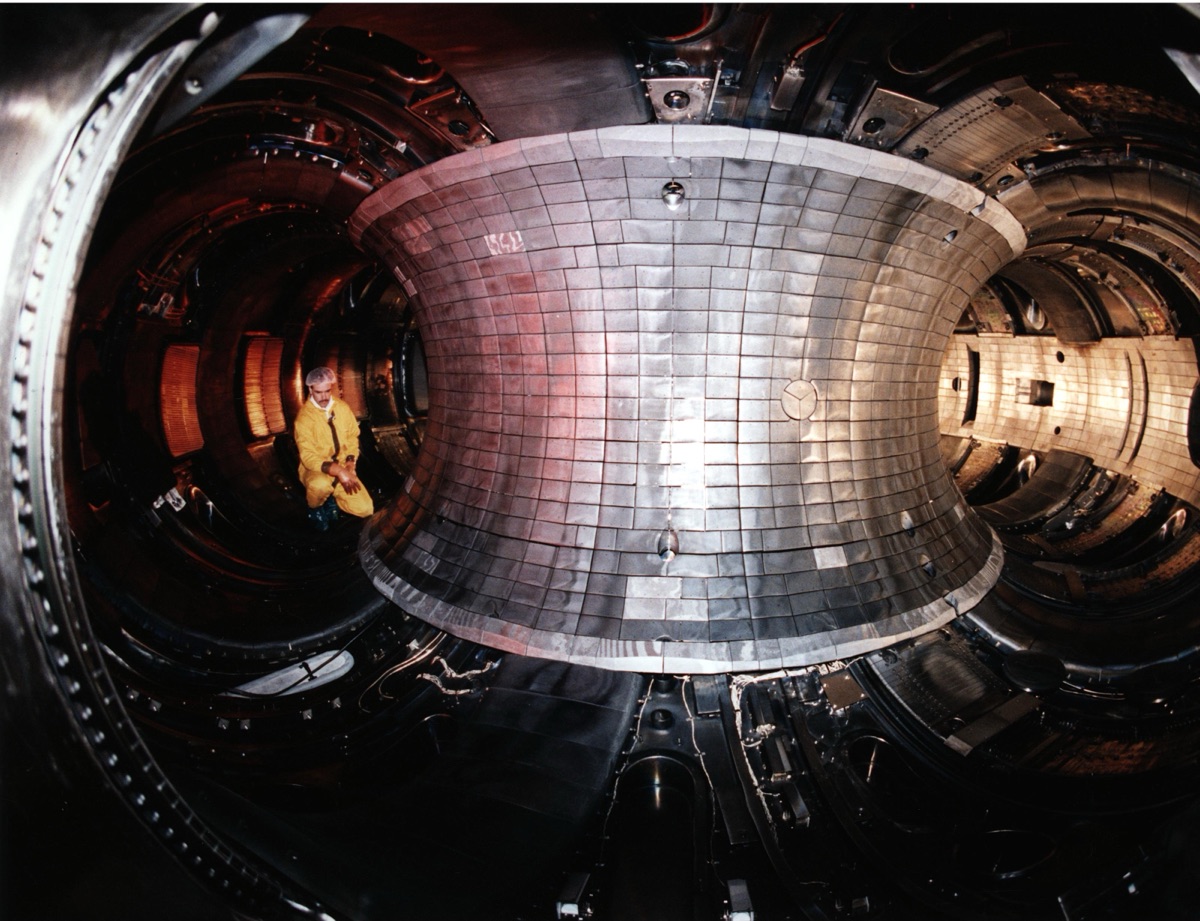
For the first time, scientists have used a quantum computer to simulate the chemistry of a fusion reactor's fuel. A team from Oak Ridge National Laboratory, Cleveland Clinic and IBM (announced July 6, 2026; preprint on arXiv) modeled FLiBe - the fluorine-lithium-beryllium molten salt that future fusion plants plan to use to breed their own tritium - computing nine molecular configurations on IBM quantum hardware and matching the exact classical benchmark to within about 0.3-0.7 kcal/mol, better than chemical accuracy. The work targets one of fusion's last great obstacles: whether tritium bred inside the salt stays locked up as corrosive tritium fluoride or comes out as an extractable gas. Part of the U.S. Department of Energy's Genesis Mission, it is the first-known computation of a fusion material on a quantum computer - and another sign that quantum computing is maturing into a real scientific instrument.
Read more →
Jul 15, 2026, 1:20 PM ETTech
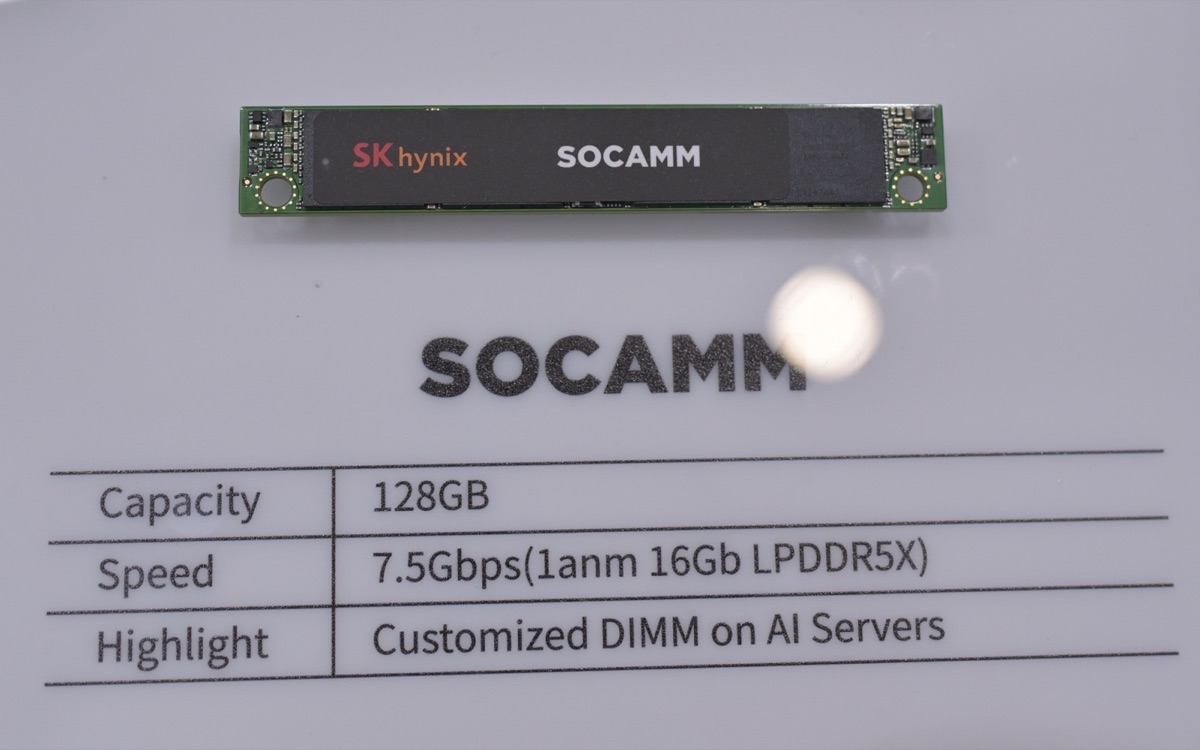
SK Hynix, the world's leading maker of the high-bandwidth memory (HBM) that powers AI chips, listed American Depositary Receipts on the Nasdaq on Friday, July 10, 2026 (ticker SKHY), selling 177.9 million ADRs at $149 to raise roughly $26.5 billion. That is the largest ADR offering in history - edging past Alibaba's $25 billion 2014 record - and the biggest U.S. share sale ever by a foreign company; among 2026's mega-listings it trails only SpaceX's June IPO. The order book was about 7x oversubscribed, the stock opened at $170 and closed up 13% at $168.01, and the company's chairman told CNBC that “demand is enormous.” Unlike many AI-era debuts, SK Hynix arrives profitable and dominant: it holds ~56% of the HBM market and is a key supplier to Nvidia, with its Seoul-listed shares up about 634% over the past year. The proceeds go to new Korean fabs and EUV machines to make even more AI memory. Full breakdown: the numbers, what an ADR is, how HBM feeds AI, and where the money goes.
Read more →
Jul 15, 2026, 9:16 AM ETTech
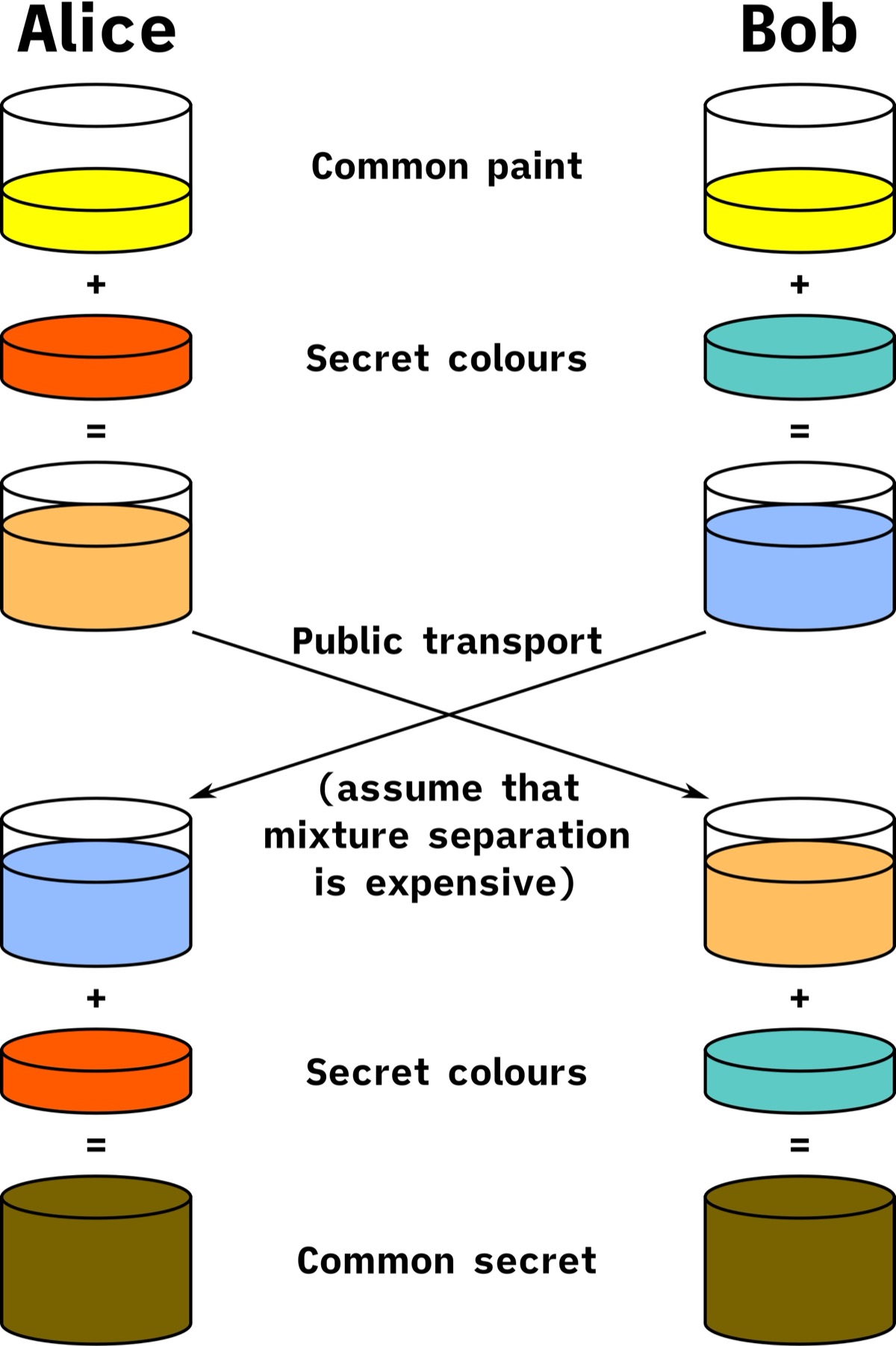
In November 1976, two Stanford researchers - Whitfield Diffie and Martin Hellman - published a paper in the IEEE Transactions on Information Theory with a famous opening line: 'We stand today on the brink of a revolution in cryptography.' They were right. 'New Directions in Cryptography' solved a problem as old as secret writing itself - the key-distribution problem: to talk in code, two people first had to share a secret key, which meant meeting in private or trusting a courier. Diffie and Hellman showed that two strangers who had never met could agree on a shared secret in full public view, with an eavesdropper listening to every word. Their key exchange leans on a piece of one-way math - modular exponentiation, easy to do and brutally hard to undo - and it is beautifully captured by the paint-mixing analogy: mix in a private colour, swap the mixtures openly, mix again, and both sides land on the same secret shade that no listener can reproduce. The paper also introduced the idea of the digital signature. Together those ideas - public keys, a shared secret over an open channel, and unforgeable signatures - became the foundation of nearly all online security: the padlock in your browser, HTTPS, and the trillions of dollars in transactions that cross the internet every day. A third name, Ralph Merkle, belongs on the idea; and in a remarkable twist, a team at Britain's GCHQ had secretly discovered much of it years earlier, only to be declassified in 1997. Diffie and Hellman received the 2015 Turing Award. A tribute to the handshake that lets the whole world keep a secret.
Read more →
Jul 15, 2026, 5:15 AM ETTech
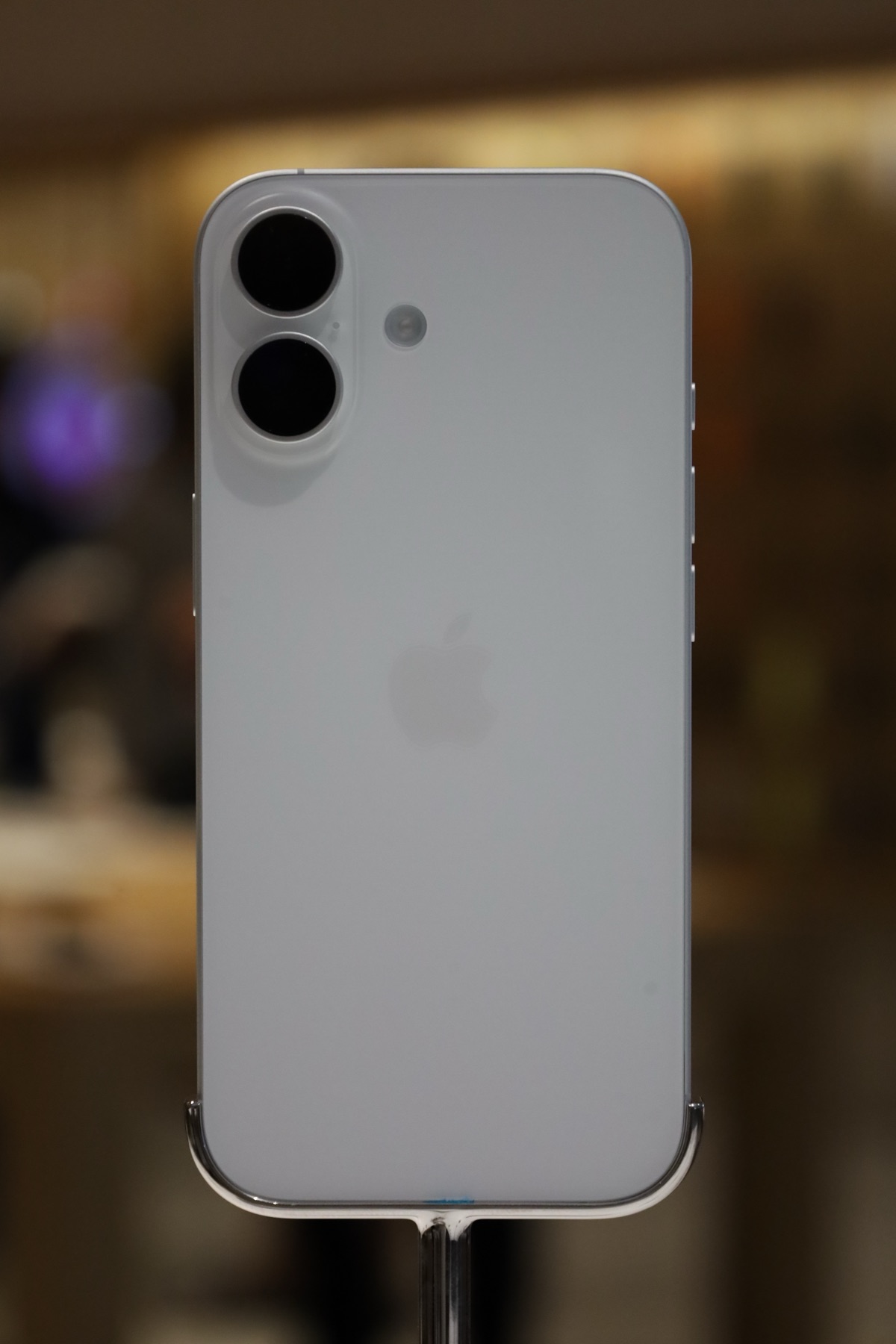
New Counterpoint Research data for the second quarter of 2026 (April-June) puts Apple at a record 20% of global smartphone shipments - its highest share ever for a second quarter. The standout detail: Apple was the only major brand to actually ship MORE phones, with iPhone shipments up about 3% year-over-year, and the only top vendor that chose not to raise prices, even as the overall market contracted 11% to its softest second quarter since 2013 amid a global memory-chip shortage. Samsung led the quarter at 24% on strong Galaxy S26 demand, followed by Apple at 20%, Xiaomi at 12%, OPPO at 11%, and vivo at 8%; Apple had itself topped the ranking in Q1 on iPhone 17 demand. Google's Pixel line (+16%) and Huawei (+6%) also grew. Here is what the numbers show, why Apple's result is a genuine display of brand strength, and what is behind the wider slowdown.
Read more →

 العربية
 Español
 中文
中文 Deutsch
 Français
 Português