News & Insights
Tech, AI, science & Apple news curated by Jerry Cards. Unlocking US digital content worldwide since 2009.
Jul 8, 2026, 9:19 AM ETScience
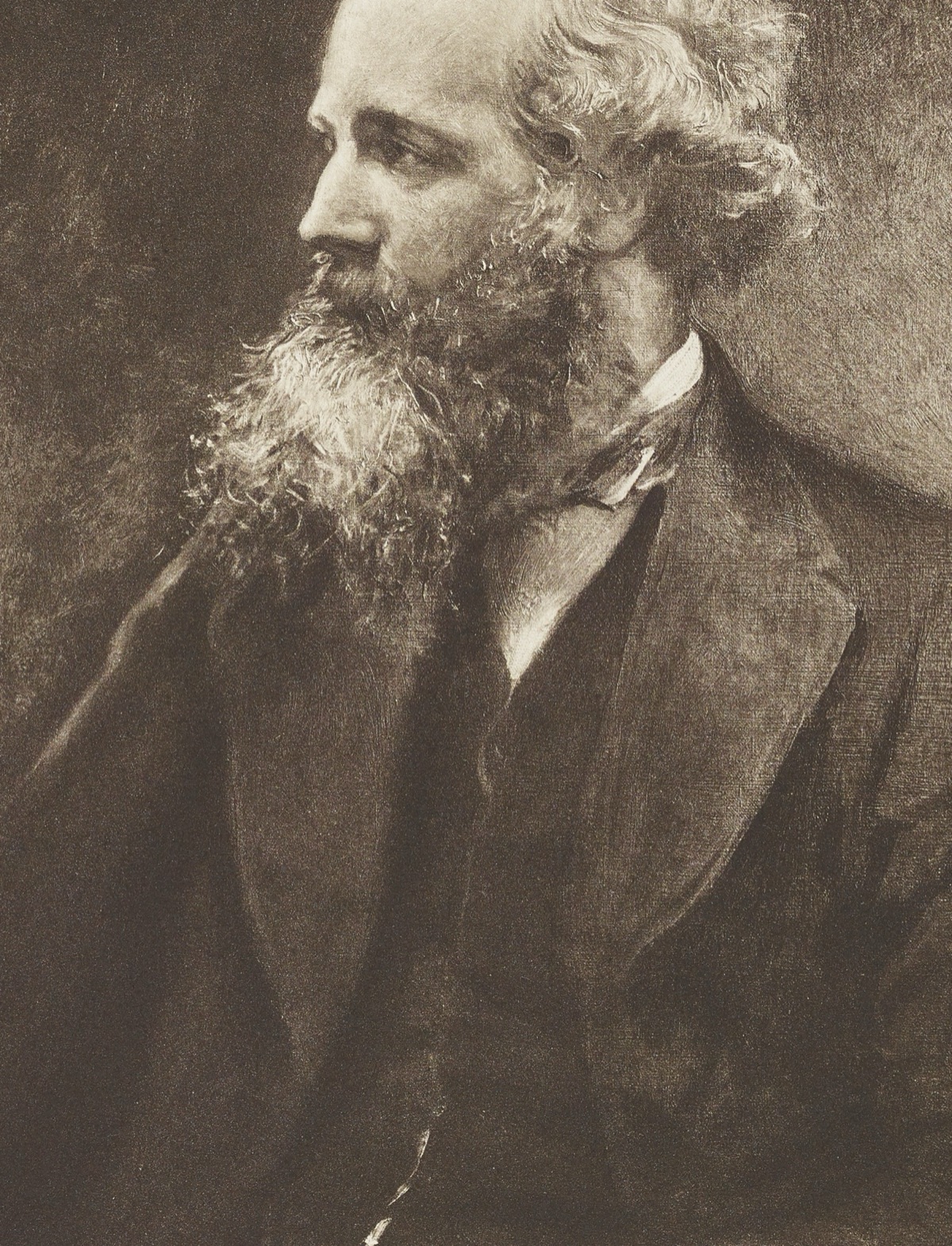
In 1865 the Scottish physicist James Clerk Maxwell published 'A Dynamical Theory of the Electromagnetic Field' and did something no one had managed before: he showed that electricity and magnetism are not two separate forces but two faces of a single electromagnetic field, described by one set of equations. Buried in the mathematics was a stunning surprise - the field could ripple outward as a wave, and when Maxwell calculated how fast that wave would travel, the number came out equal to the measured speed of light. His conclusion: light itself is an electromagnetic wave. He had also predicted a whole family of invisible waves nobody had ever detected. Two decades later Heinrich Hertz generated and caught them in a laboratory, and radio was born - and with it television, radar, Wi-Fi, GPS, mobile phones and 5G. Maxwell's four equations (tidied into their modern form by Oliver Heaviside) are the foundation of all electrical technology, and the template Einstein built relativity upon. This is a tribute to the theory that quietly wired the modern world.
Read more →
Jul 8, 2026, 5:16 AM ETScience
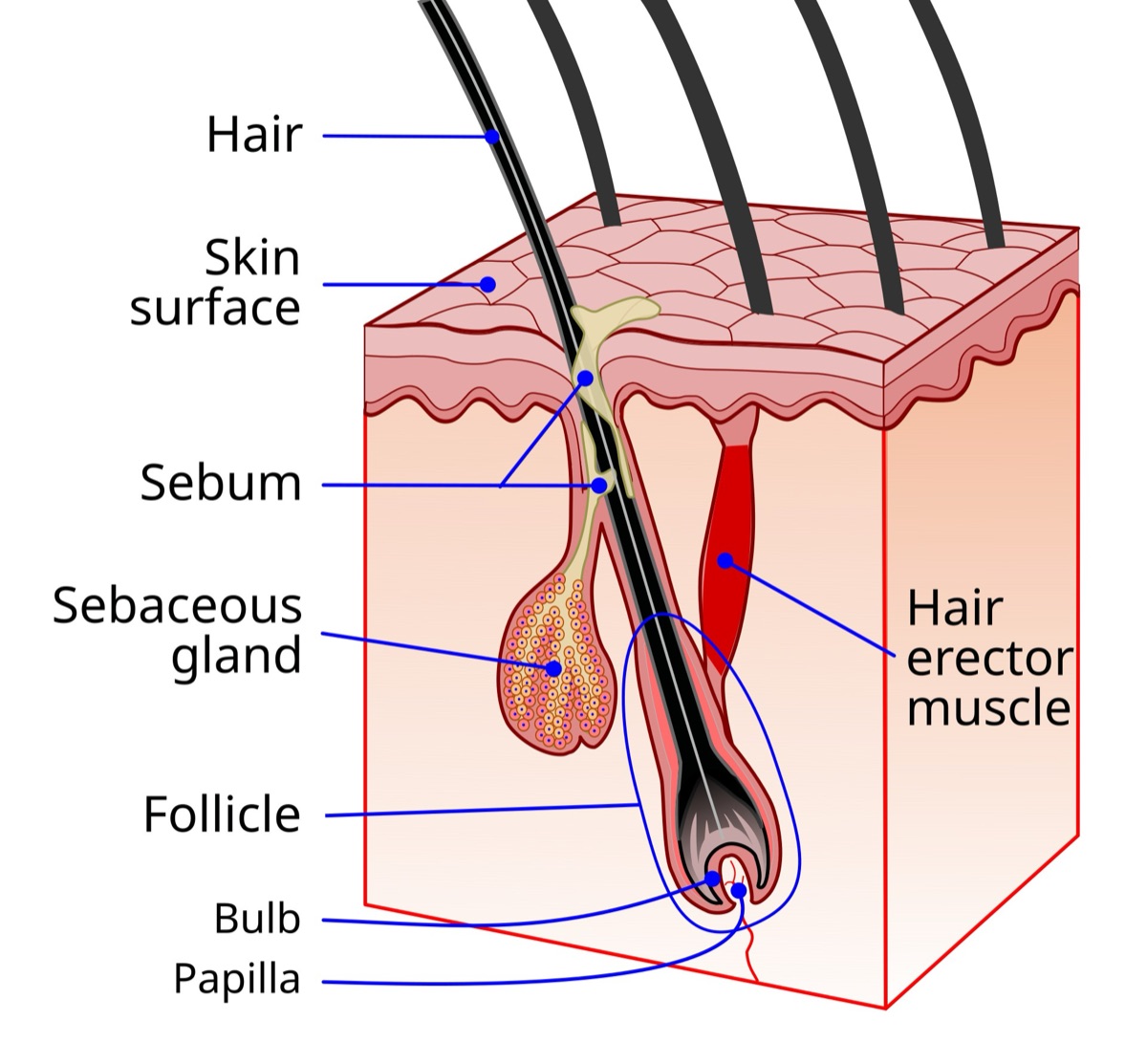
For over a century, biology textbooks taught that hair grows because dividing cells at the root push the strand upward, like toothpaste from a tube. New research says that picture is essentially backwards. Using 3D live-imaging of living human hair follicles kept alive in culture, a team from L'Oreal Research & Innovation and Queen Mary University of London watched growth happen cell by cell - and found the hair is actively PULLED upward by a coordinated, spiral motion of cells in the outer root sheath, working like a tiny biological motor. The proof was decisive: when they chemically blocked cell division, hair kept growing at nearly the same rate; when they disrupted actin, the protein that lets cells contract and move, growth fell by more than 80%. Published in Nature Communications, the discovery rewrites a fundamental piece of human biology - and opens fresh, mechanical targets for hair-loss treatments, drug testing, and tissue engineering.
Read more →
Jul 8, 2026, 12:17 AM ETScience
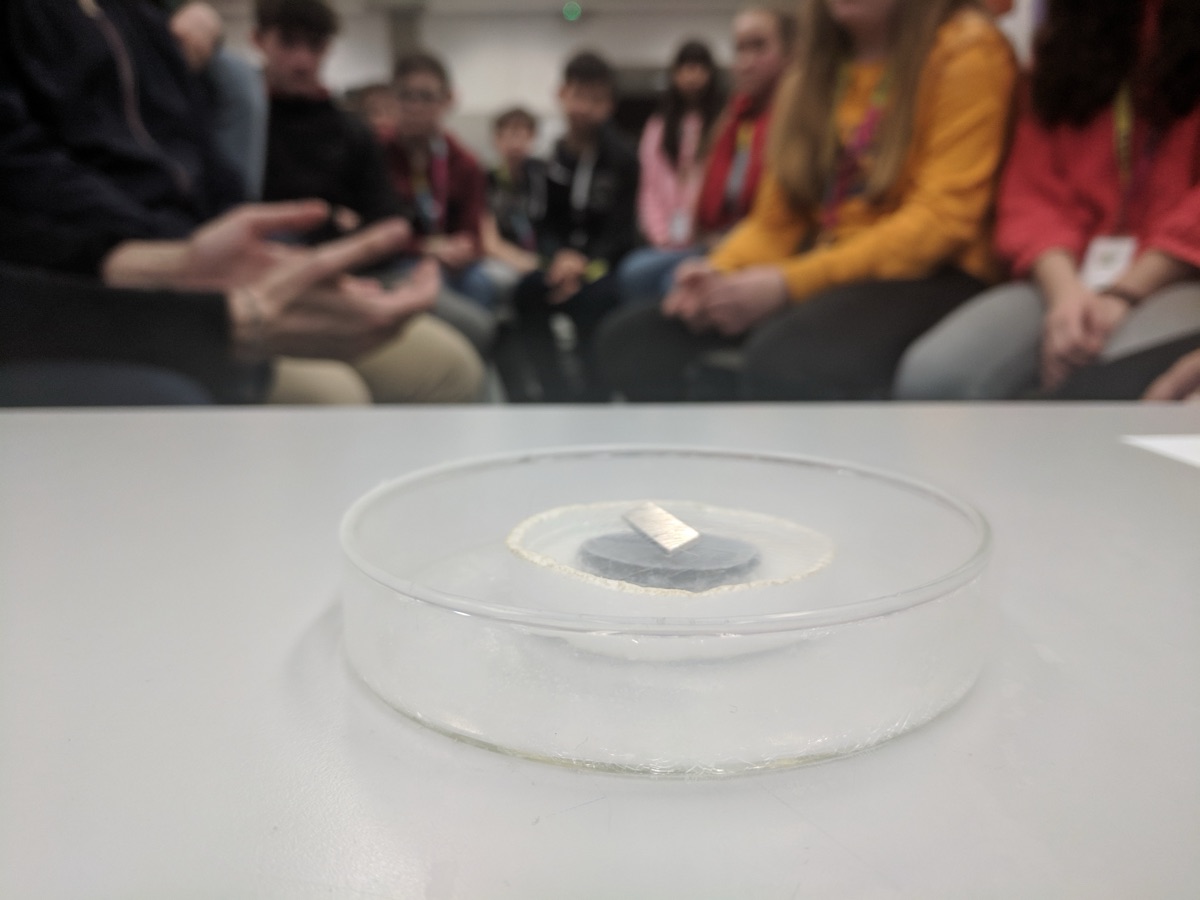
An international team led by Finland's Aalto University has used machine learning to hunt for superconductors - and it worked. The AI pre-screened a vast space of candidate materials, flagged the most promising, and physicists at Rice University then synthesized and confirmed two brand-new superconductors: the kagome-lattice compounds YRu3B2 and LuRu3B2. Their critical temperatures are still very low (0.81 K and 0.95 K), so these specific materials are lab curiosities, not power-grid material - and the team is the first to say so. The real breakthrough is the method. For a century, most of the roughly 7,000 known superconductors were found by luck; this machine-learning workflow turns that serendipity into a systematic search that could one day screen billions of candidates - a concrete step toward the field's holy grail, a room-temperature superconductor. It is the first discovery from SuperC, a global consortium launched in 2023 that aims to find one by 2033.
Read more →
Jul 7, 2026, 1:15 PM ETTech
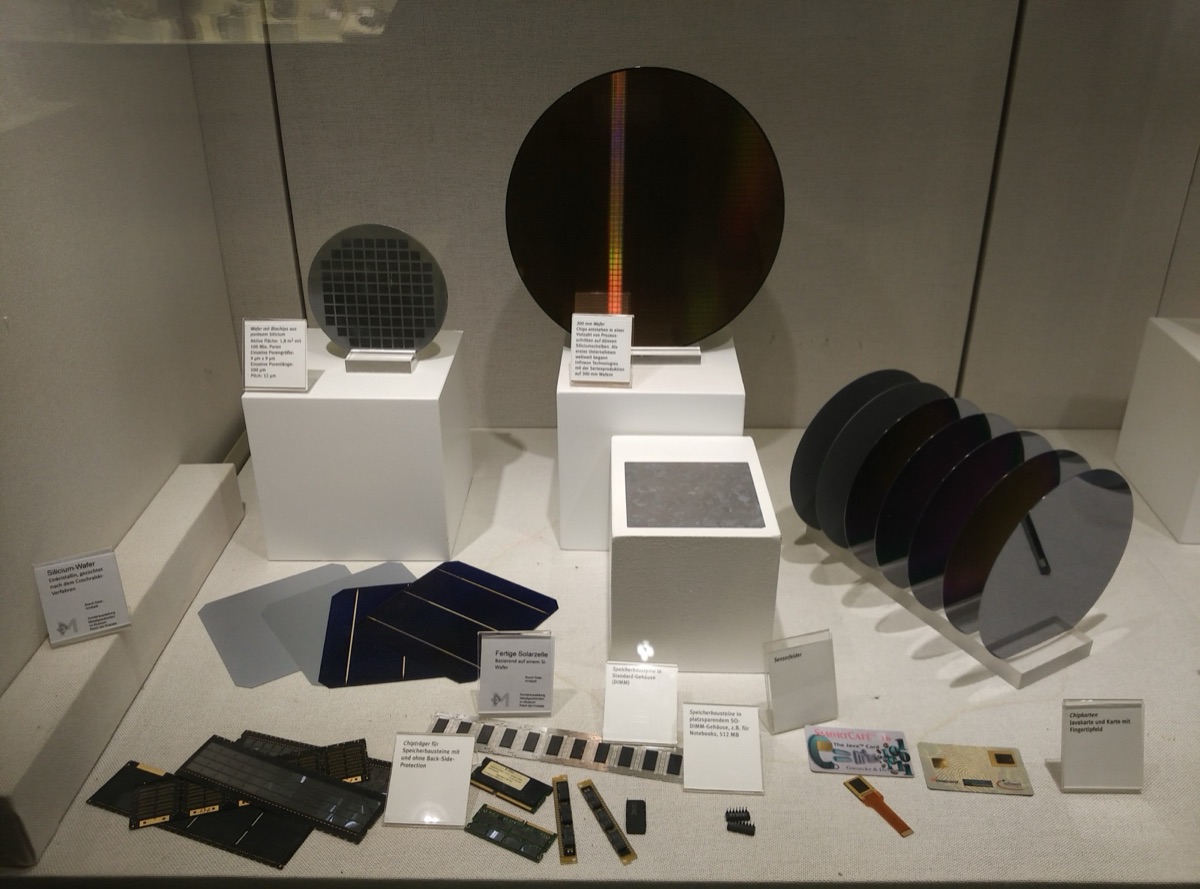
On July 6, 2026, Apple and Broadcom announced a new multi-year agreement extending their long-running chip collaboration through 2031 (first reported by Bloomberg and Reuters). Broadcom will keep designing and supplying the custom wireless and radio-frequency silicon that makes an iPhone an iPhone - RF front-end modules, Wi-Fi and Bluetooth connectivity, wireless charging and touch components, and custom application-specific chips across multiple future Apple devices. Apple is one of Broadcom's largest customers (about 20% of its annual revenue), and Broadcom shares rose roughly 4% on the news. The most forward-looking thread: Broadcom is reported to be co-developing Apple's first dedicated AI server chip - code-named Baltra, built on TSMC's advanced 3nm-class process - to power the next generation of Apple Intelligence. Here is what the deal covers, how it fits Apple's in-house-plus-partners silicon strategy, and why it matters.
Read more →
Jul 7, 2026, 9:14 AM ETScience
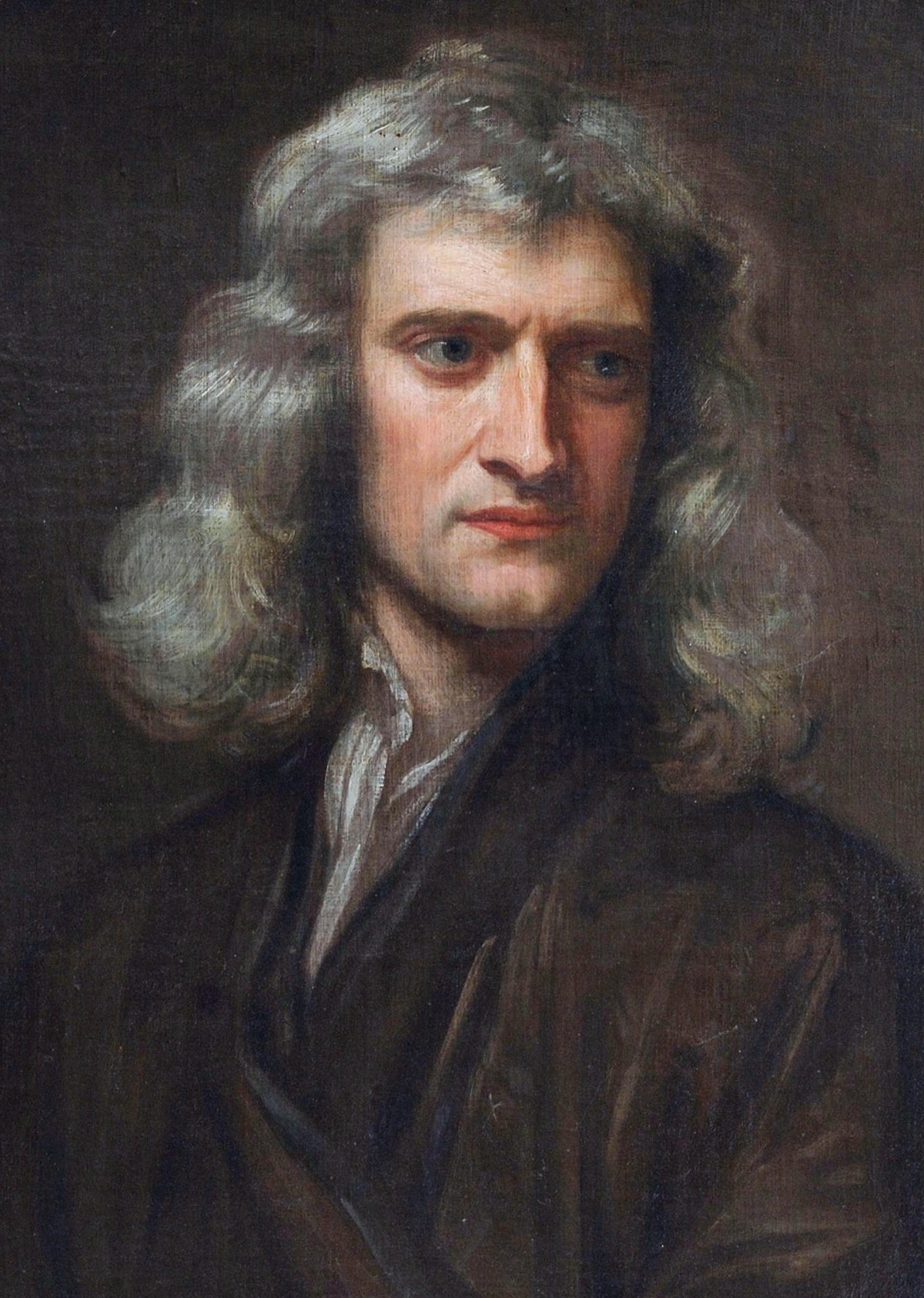
In 1687 Isaac Newton published Philosophiae Naturalis Principia Mathematica - the Mathematical Principles of Natural Philosophy - and in a single Latin volume rewrote our picture of the universe. He set out three laws of motion that still describe every moving thing, from a thrown ball to a rocket, and one law of universal gravitation: every mass pulls on every other, in proportion to their masses and the inverse square of the distance between them. The startling payoff was that the same force that drops an apple to the ground holds the Moon in its orbit - heaven and Earth, for the first time, running on one mathematics. From it Newton derived Kepler's laws, explained the tides, the wobble of the equinoxes, and the paths of comets. When Edmond Halley - who paid for the book - used Newton's gravity to predict a comet's return in 1758, and it came back on time, the age of predictive science had begun. This is a tribute to the most important book in the history of physics.
Read more →
Jul 7, 2026, 5:14 AM ETApple
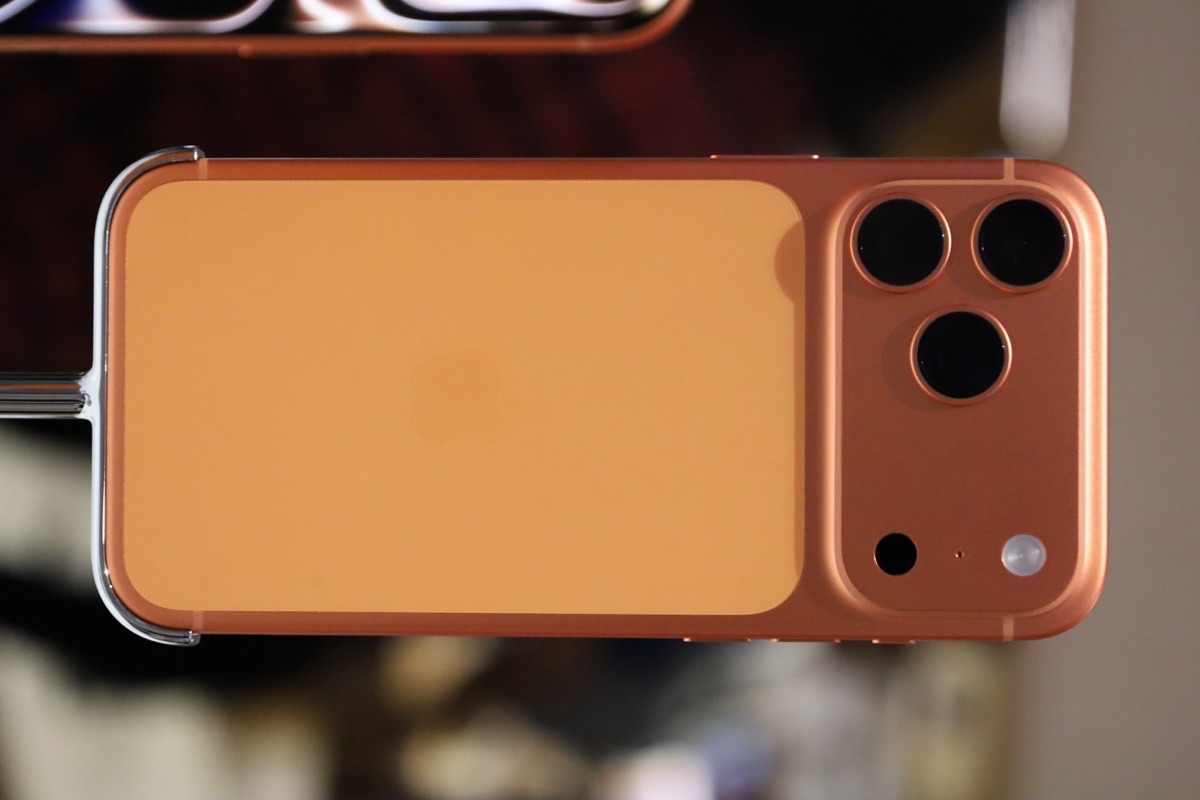
On July 4, 2026, the United States buried America's Time Capsule at Independence National Historical Park in Philadelphia, not to be reopened until 2276 - the nation's 500th birthday. Chosen to represent the cutting edge of American technology in 2026: a Cosmic Orange iPhone 17 Pro Max, included through America250's America Innovates initiative and loaded with digital artifacts in its Notes app as a window into everyday life today. The device sits inside a 900-pound precision-milled stainless steel cylinder sealed with a soft indium gasket and shielded by an 1,100-pound bell jar - engineered with NIST and Library of Congress preservation scientists to survive two and a half centuries underground. Here is the full story: why an iPhone was picked as the emblem of the era, what else made the cut (a DNA data archive, Old Abe's feather, Wright brothers fabric, and an AI note from Anthropic's Claude), and how you build a box meant to outlast 10 generations.
Read more →
Jul 7, 2026, 12:29 AM ETScience
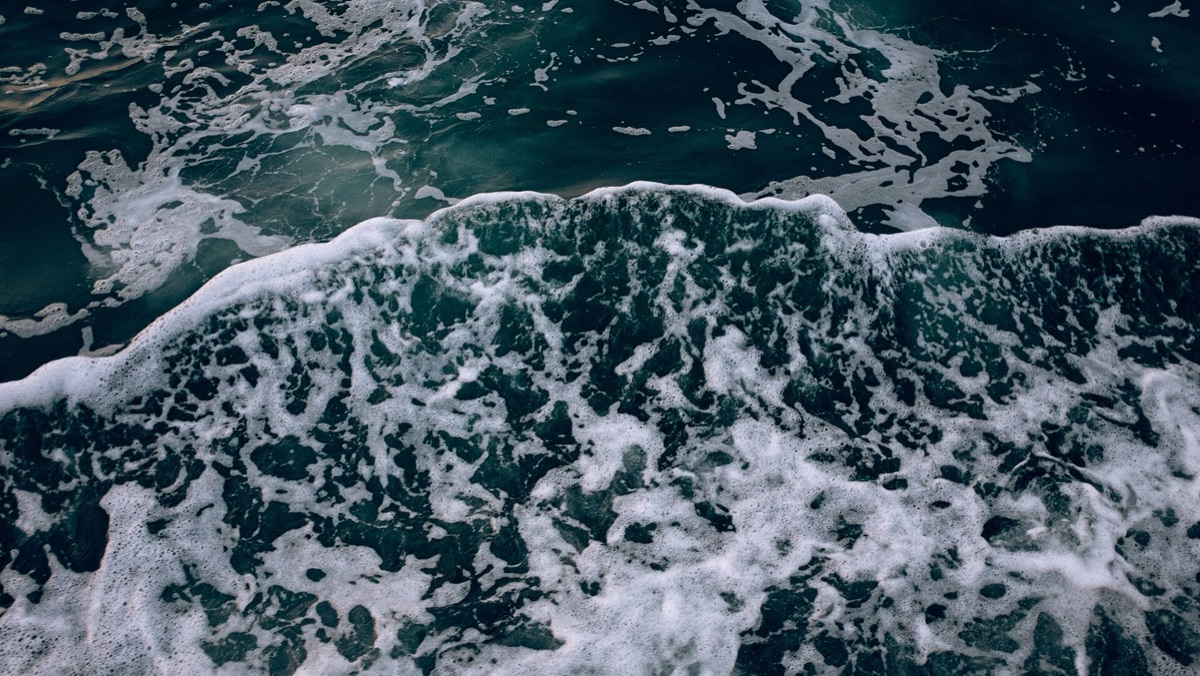
Most desalination has a dirty secret: for every drop of fresh water it makes, it spits a gush of super-salty, chemical-laden brine back into the sea, where it can suffocate marine life. Physicists at the University of Rochester have built a solar device that skips the brine entirely. Their panel is a sheet of laser-etched black metal that soaks up nearly all the sunlight that hits it and wicks a paper-thin film of seawater across its surface. The water evaporates as clean vapor; the leftover salts are shepherded off to the edges - using the same coffee-ring effect that leaves a stain when a coffee drop dries - and collected as dry solids rather than toxic liquid. The team ran it on real water from the Pacific, Atlantic and Indian Oceans, capturing essentially all the salt as solids with no chemical additives - so-called zero liquid discharge. In a companion study, the same panels, seeded with tiny hydrogen-titanate particles, pulled about half of the lithium out of Great Salt Lake brine - turning a waste stream into a source of the metal that powers batteries. It is early, lab-scale work, but it points at cheap, sunlight-powered fresh water for a world where 2.2 billion people still lack safely managed drinking water. (Light: Science & Applications and Journal of Materials Chemistry A, May 2026.)
Read more →
Jul 6, 2026, 1:18 PM ETScience
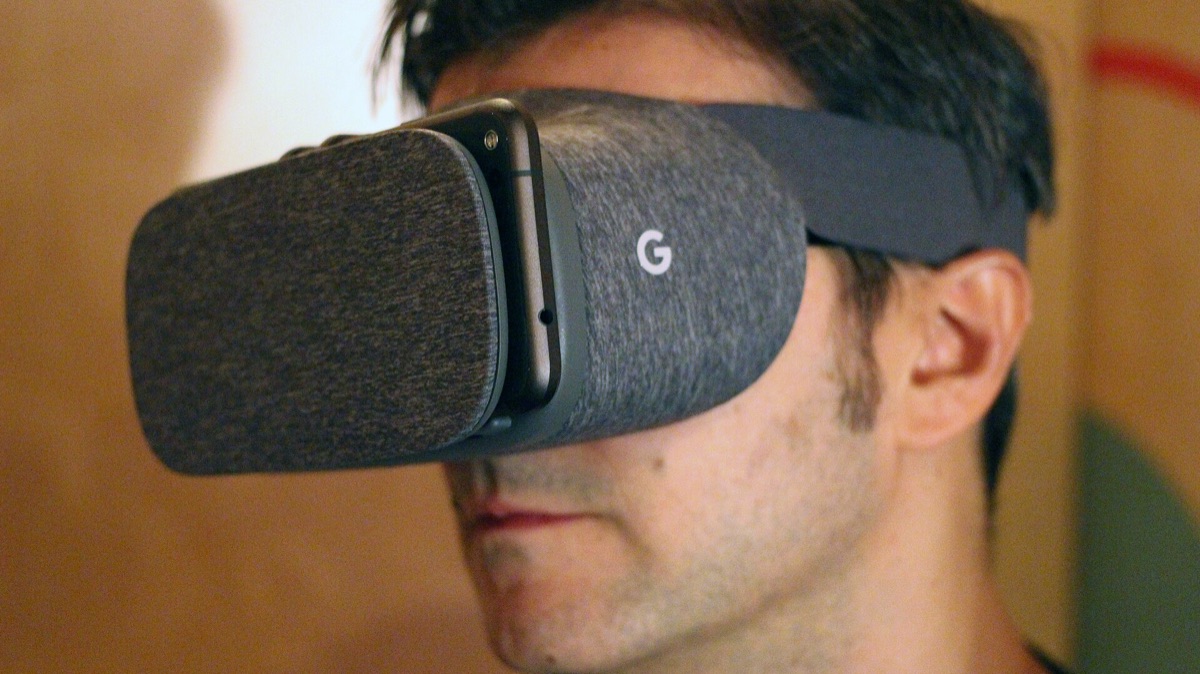
In a Beijing lab, 25 volunteers spent a week learning to fly in virtual reality - looking into a virtual mirror to see themselves as bird-like figures with big feathered wings where their arms should be, then flapping to stay aloft, steering through floating rings, and swatting falling balls out of the air. When researchers scanned their brains before and after, the body-part detectors in the visual cortex had rewired: they responded more strongly to images of wings, and their activity pattern for wings had shifted to look more like the pattern for human arms - with tighter links to the movement and touch systems. It is vivid evidence that the brain's inner map of the body is far more flexible than assumed - flexible enough to begin folding in a limb no human has ever had. The honest catch: the wings did not fully become arms, and nobody gained a working new body part. But the same plasticity, the team argues, could one day help people embody advanced prosthetics and robotic limbs. (Cell Reports, May 2026.)
Read more →
Jul 6, 2026, 9:16 AM ETScience
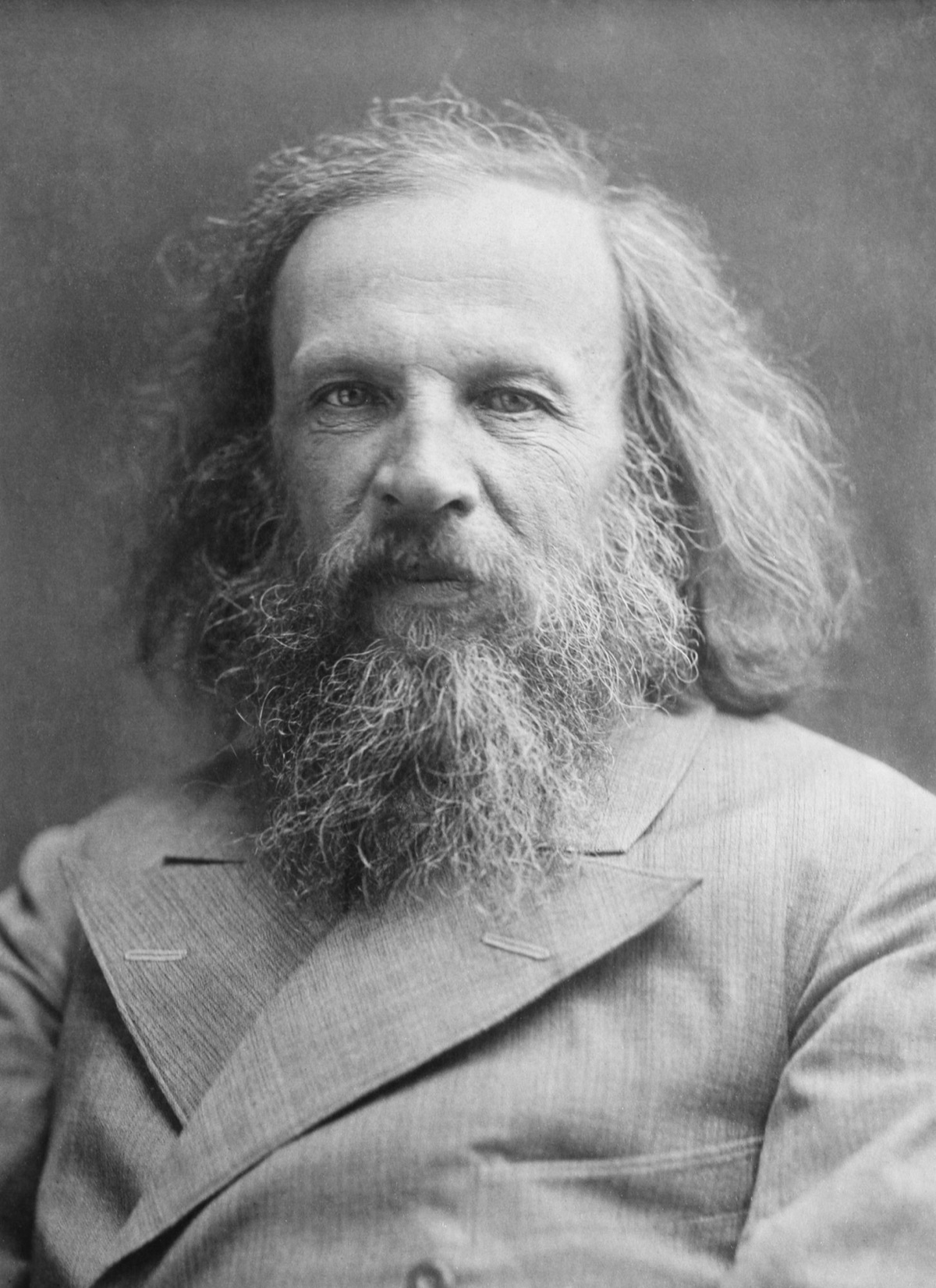
In 1869 a Russian chemist named Dmitri Mendeleev laid out the 63 known chemical elements on a single sheet, ordered by atomic weight - and noticed their properties repeated in a regular rhythm. That was the periodic law. But the genius stroke was what he did with the gaps: rather than force the pattern, he left blank squares for elements that had never been observed, and boldly predicted their weights, densities and chemistry. Within 17 years all three of his headline predictions came true - gallium (1875), scandium (1879) and germanium (1886) - with properties astonishingly close to the numbers he had written down. Chemistry stopped being a catalogue of substances and became a science that could predict. This is a tribute to the most famous chart in science: how it was built, the elements it foretold, how the noble gases and atomic number later slotted perfectly into place, and why it still hangs on every classroom wall.
Read more →
Jul 6, 2026, 5:15 AM ETScience
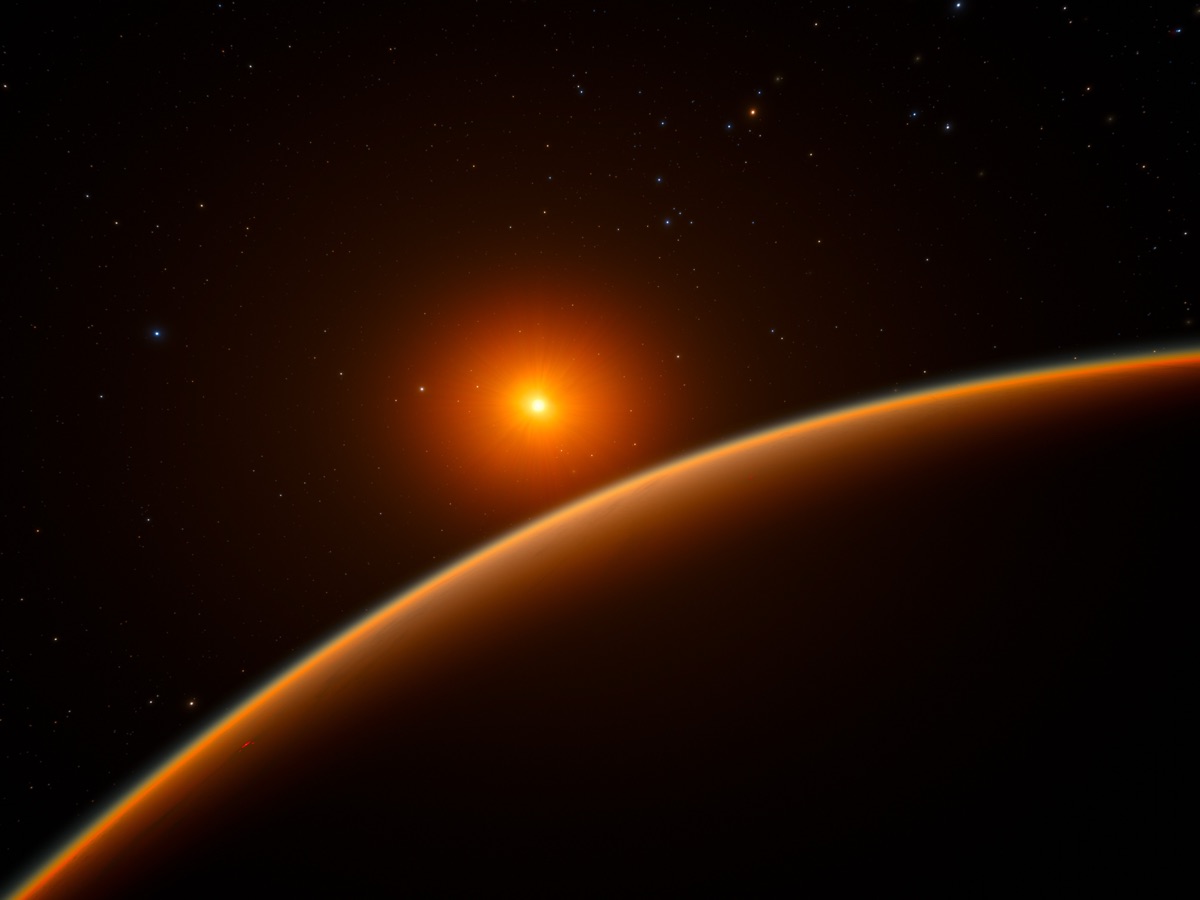
Astronomers have sharpened the portrait of GJ 3378 b (Gliese 3378 b), a super-Earth orbiting a small red dwarf star only about 25 light-years away in the constellation Camelopardalis. Fresh radial-velocity data from the Habitable-zone Planet Finder and the NEID spectrometer revised the planet down from roughly 5 Earth masses to about 2.3, tightened its orbit to 21.45 days, and placed it more squarely inside its star's habitable zone - where it soaks up about 90% of the starlight Earth receives from the Sun. Lead author Paul Robertson (UC Irvine) calls it a next-door neighbor on galactic scales. The big open question, honestly stated: no one yet knows whether it holds onto an atmosphere - and without one, there is no liquid water. Published in The Astrophysical Journal (DOI 10.3847/1538-4357/ae732b).
Read more →
Jul 6, 2026, 12:20 AM ETTech

Global startups raised a record $510 billion in the first half of 2026 - more than the $440 billion invested in all of 2025, and the largest half-year for startup investment ever recorded, according to Crunchbase (July 2, 2026). Investors poured $305 billion into companies in Q1 (the biggest quarter on record) and $205 billion in Q2 (the second biggest). The engine is unmistakable: AI drew about 80% of all venture dollars in Q1 and more than 70% in Q2, up from roughly half a year earlier. Two companies alone - OpenAI and Anthropic - accounted for $217 billion, or 43% of every startup dollar. And the money is flowing back out too: the strongest exit market since the 2021 boom, headlined by SpaceX's record $75 billion IPO and its $60 billion deal for Cursor-maker Anysphere. Here are the numbers, why it is happening, and the one honest question underneath the record.
Read more →
Jul 5, 2026, 1:17 PM ETScience
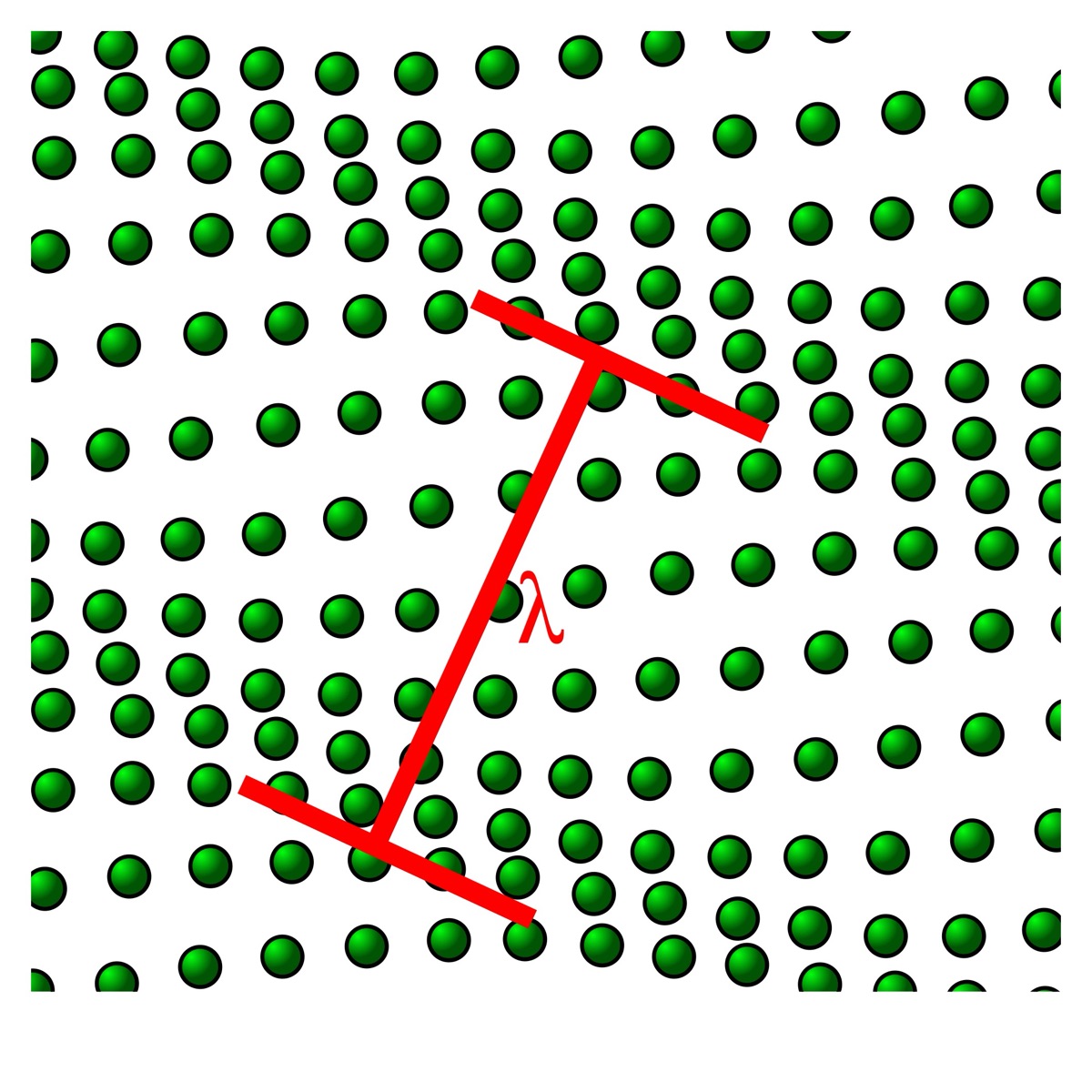
Physicists at McGill University (with the National Research Council of Canada and Princeton) built a chip-scale device that generates precise, controllable bursts of phonons - the quantum particles of sound - by driving electrons through an ultra-pure two-dimensional crystal faster than the speed of sound inside it. Operating near absolute zero (10 millikelvin to 3.9 kelvin), these 'supersonic' electrons shed their extra energy as clean packets of sound-like vibration instead of waste heat. It matters because sound reaches where light and radio can't - deep ocean, solid metal, living tissue - so controllable quantum sound points toward phonon lasers, new underwater and through-barrier communication, sharper medical imaging, and ultra-sensitive sensors. Published in Physical Review Letters. Full breakdown: how it works, why supersonic electrons are the trick, what it could unlock, and the honest road ahead.
Read more →

 العربية
 Español
 中文
中文 Deutsch
 Français
 Português